
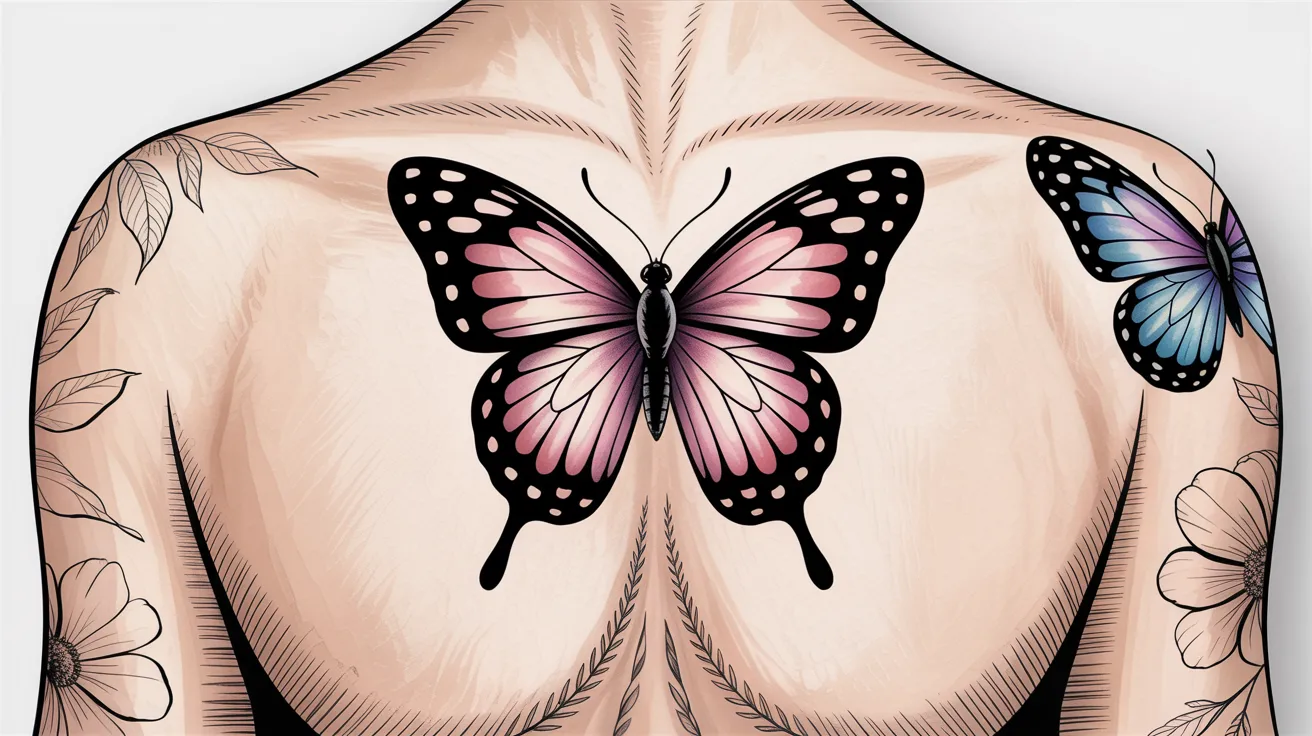
Butterfly tattoos are among the most popular and enduring tattoo designs across cultures, ages, and genders. At first glance, a butterfly may seem like a simple, delicate image—but its meaning is far richer and more layered than many people realize. Like a living creature studied carefully in a field guide, the butterfly carries deep symbolism related to transformation, resilience, beauty, and personal growth.
This detailed guide explores what a butterfly tattoo means, how its symbolism changes across cultures, colors, styles, and placements, and what you should consider before getting one. Written in a friendly yet professional tone—similar to a trusted care or educational guide—this article is designed to help you fully understand the significance behind this powerful symbol.
Understanding the Core Meaning of a Butterfly Tattoo
At its core, a butterfly tattoo represents transformation and change. This meaning comes directly from the butterfly’s natural life cycle:
- Egg
- Caterpillar (larva)
- Chrysalis (pupa)
- Butterfly (adult)
This dramatic metamorphosis makes the butterfly a universal symbol of rebirth, growth, and personal evolution.
Key Symbolic Themes
- Transformation and personal change
- Freedom and independence
- Beauty and femininity
- Resilience and survival
- Spiritual growth and rebirth
Just as a veterinarian studies an animal’s life stages to understand its health and behavior, understanding the butterfly’s transformation helps explain why it holds such emotional power in tattoo art.
The Spiritual Meaning of Butterfly Tattoos
Many people choose butterfly tattoos for spiritual reasons. Across belief systems, butterflies are often seen as messengers between worlds or symbols of the soul.
Common Spiritual Interpretations
- The soul’s journey after death
- Resurrection and renewal
- Connection to loved ones who have passed
- Spiritual awakening or enlightenment
In some traditions, seeing a butterfly is considered a sign that a departed loved one is nearby. A butterfly tattoo may serve as a permanent reminder of that connection.
Cultural Meanings of Butterfly Tattoos Around the World
Just as animals behave differently depending on their environment, the butterfly’s symbolism changes across cultures.
Butterfly Tattoo Meaning in Japanese Culture
In Japan, butterflies are linked to:
- Femininity and grace
- Marital happiness
- Young womanhood
Two butterflies together often symbolize a happy marriage or partnership.
Butterfly Symbolism in Chinese Culture
In Chinese tradition, butterflies represent:
- Love and romance
- Long life
- Joy and prosperity
A butterfly tattoo may reflect a desire for lasting happiness or romantic fulfillment.
Native American Interpretations
Many Native American team associate butterflies with:
- Change and transformation
- Color and life
- Dreams and guidance
Butterflies were believed to carry wishes to the spirit world.
Mexican and Latin American Symbolism
In Mexico, butterflies—especially monarchs—are closely linked to:
- The Day of the Dead
- Souls returning to visit loved ones
A butterfly tattoo here often symbolizes remembrance and eternal life.
Emotional and Psychological Meanings of Butterfly Tattoos
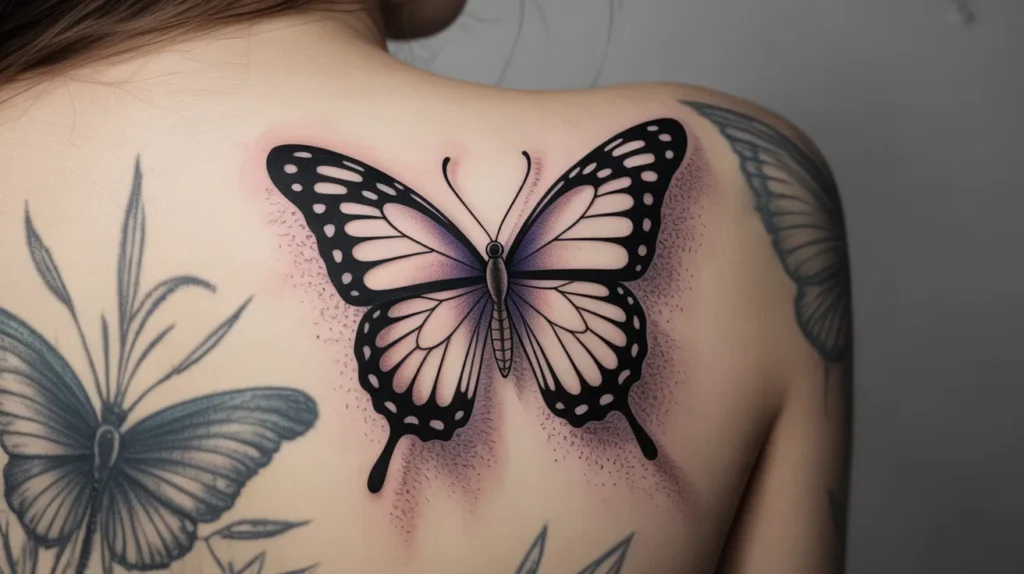
Beyond culture and spirituality, butterfly tattoos often represent deeply personal emotional journeys.
Common Emotional Associations
- Recovery from trauma
- Overcoming addiction or illness
- Surviving abuse or hardship
- Personal reinvention
Just as healing in animals takes time, care, and patience, many people choose butterfly tattoos to mark the end of a painful chapter and the beginning of a healthier one.
Butterfly Tattoo Color Meanings
Color plays a critical role in the symbolism of butterfly tattoos. Like visual cues used in animal care, color can signal mood, health, or intention.
Common Butterfly Tattoo Colors and Their Meanings
Black Butterfly
- Death and rebirth
- Mystery and strength
- Mourning or remembrance
Blue Butterfly
- Calmness and peace
- Good luck
- Emotional healing
Red Butterfly
- Passion and love
- Courage and power
- Strong emotions
Yellow Butterfly
- Happiness and optimism
- New beginnings
- Creativity
Purple Butterfly
- Spirituality and intuition
- Royalty and wisdom
White Butterfly
- Purity and innocence
- Spiritual messages
- Peace and hope
Multicolored Butterfly
- Joy and diversity
- Embracing complexity
- Celebration of life
Butterfly Tattoo Styles and Their Meanings
The style of a butterfly tattoo can change its meaning just as much as color or placement.
Realistic Butterfly Tattoos
- Appreciation of nature
- Attention to detail
- Respect for life’s natural beauty
Minimalist Butterfly Tattoos
- Subtle transformation
- Quiet strength
- Personal meaning without display
Tribal Butterfly Tattoos
- Connection to ancestry
- Strength and protection
- Cultural identity
Watercolor Butterfly Tattoos
- Emotional expression
- Creativity and freedom
- Fluid life transitions
Skull and Butterfly Tattoos
- Life and death balance
- Mortality and rebirth
- Acceptance of impermanence
Butterfly Tattoo Placement and What It Represents
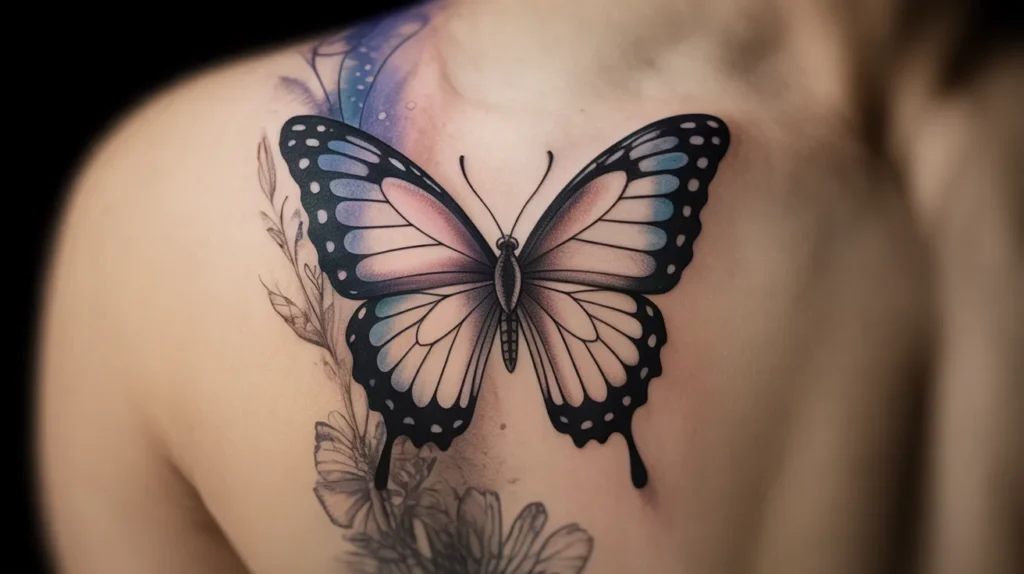
Where a butterfly tattoo is placed on the body can add another layer of meaning, much like habitat affects animal behavior.
Common Placements and Their Symbolism
Wrist or Ankle
- Personal reminder
- Subtle, intimate meaning
Shoulder or Back
- Freedom and release
- Carrying past experiences
Chest or Heart Area
- Love and emotional healing
- Deep personal significance
Neck or Behind the Ear
- Transformation of identity
- Willingness to be seen
Spine
- Major life change
- Strength through hardship
Who Typically Chooses Butterfly Tattoos?
Butterfly tattoos are chosen by people from all walks of life. While often associated with femininity, they are not gender-specific.
Common Reasons People Choose Butterfly Tattoos
- Milestone life events
- Personal recovery stories
- Memorial tattoos
- Spiritual growth
- Artistic appreciation
Like pet owners choosing a breed that reflects their lifestyle, people often choose butterfly tattoos that reflect their inner journey.
Signs a Butterfly Tattoo May Be Right for You
Before committing to a butterfly tattoo, consider these indicators.
You May Be Drawn to a Butterfly Tattoo If:
- You’ve experienced major life changes
- You value personal growth
- You appreciate symbolism and storytelling
- You want a design that ages well
- You prefer meaningful, versatile imagery
Practical Tips Before Getting a Butterfly Tattoo
Just as preparation is key before adopting a pet, thoughtful planning ensures a positive tattoo experience.
Design Tips
- Research butterfly species for inspiration
- Choose colors that match your skin tone
- Consider long-term visibility and aging
Artist Selection
- Look for experience with fine lines and shading
- Review healed tattoo photos
- Communicate your personal meaning clearly
Aftercare Basics
- Keep the area clean and moisturized
- Avoid sun exposure during healing
- Follow your artist’s instructions strictly
Where Butterfly Tattoos Can Be Found or “Live”
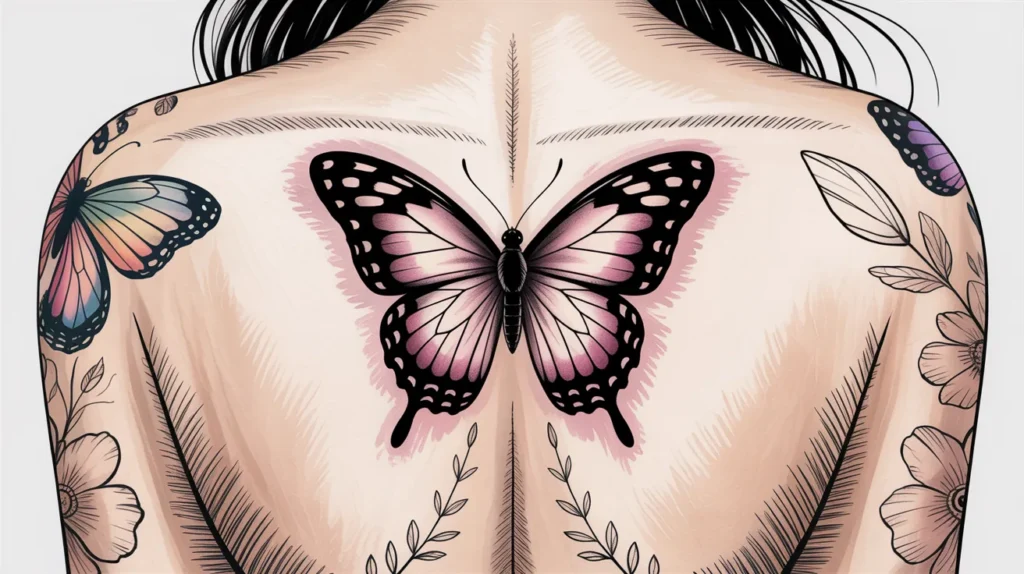
While butterfly tattoos don’t inhabit natural ecosystems like real butterflies, they “live” in meaningful spaces—both physically and culturally.
Common Places Butterfly Tattoos Are Found
- On areas of the body associated with movement or emotion
- In cultures that value transformation and spirituality
- Among people marking life transitions
Symbolic Environments
- Memorial tattoos honoring loved ones
- Recovery and healing journeys
- Artistic communities and creative professions
Just as real butterflies thrive in environments rich in flowers and sunlight, butterfly tattoos thrive in stories of growth, resilience, and beauty.
Visual Cues to Look for in Butterfly Tattoo Designs
When evaluating or designing a butterfly tattoo, pay attention to these visual details:
- Wing symmetry (balance and harmony)
- Open vs. closed wings (freedom vs. introspection)
- Added elements like flowers, quotes, or dates
- Line thickness and shading quality
These cues help communicate the intended meaning clearly.
Common Myths About Butterfly Tattoos
Myth 1: Butterfly tattoos are only for women
Reality: Butterfly tattoos are gender-neutral and widely chosen by all genders.
Myth 2: Butterfly tattoos are shallow or decorative
Reality: Many butterfly tattoos carry deep emotional and spiritual meaning.
Myth 3: They don’t age well
Reality: With proper design and care, butterfly tattoos can age beautifully.
Frequently Asked Questions (FAQ)
1. What does a butterfly tattoo symbolize most commonly?
A butterfly tattoo most commonly symbolizes transformation, personal growth, and new beginnings.
2. Are butterfly tattoos associated with death?
In some cultures, yes—but usually in a positive way, representing the soul, rebirth, or remembrance rather than fear.
3. Can a butterfly tattoo represent mental health recovery?
Absolutely. Many people choose butterfly tattoos to symbolize healing from depression, anxiety, trauma, or addiction.
4. Do different butterfly species have different meanings?
Yes. For example, monarch butterflies often represent endurance and migration, while blue morphos symbolize rarity and beauty.
Final Thoughts
A butterfly tattoo is far more than a decorative image. It is a living symbol of change, resilience, and beauty shaped by personal experience, culture, and intention. Whether chosen to mark a painful past, celebrate growth, or honor a spiritual belief, the butterfly remains one of the most meaningful tattoo designs available. Like a well-cared-for creature, a thoughtfully chosen butterfly tattoo can remain vibrant, relevant, and powerful for a lifetime.