

A Detailed, Health-Focused Guide for Beginners and Curious Readers
Cock rings are one of the most commonly discussed—but also most misunderstood—sexual wellness devices. Often surrounded by myths, jokes, or embarrassment, cock rings are actually simple tools with a long history and clear physiological effects.
This article explains what a cock ring does, how it works, why people use it, and how to use one safely. Think of this guide as you would a beginner’s handbook to a new pet accessory: informative, safety-first, and judgment-free.
1. What Is a Cock Ring?
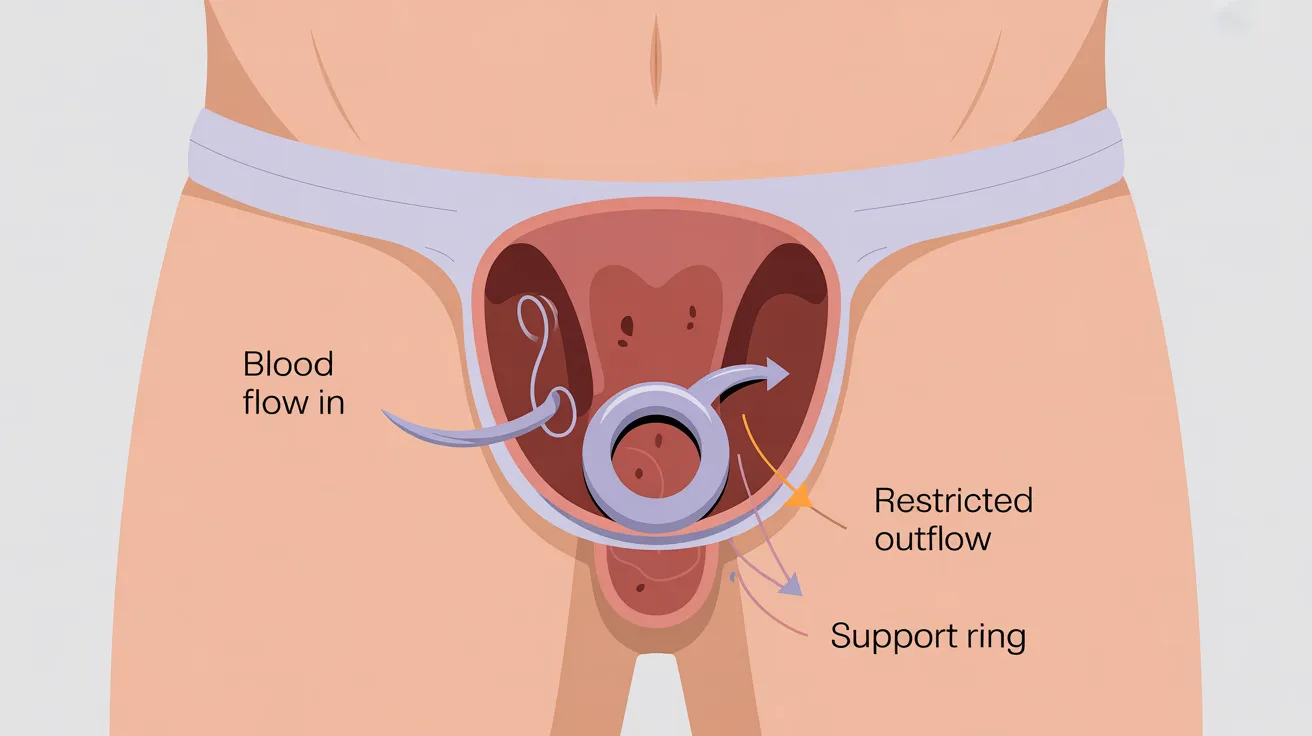
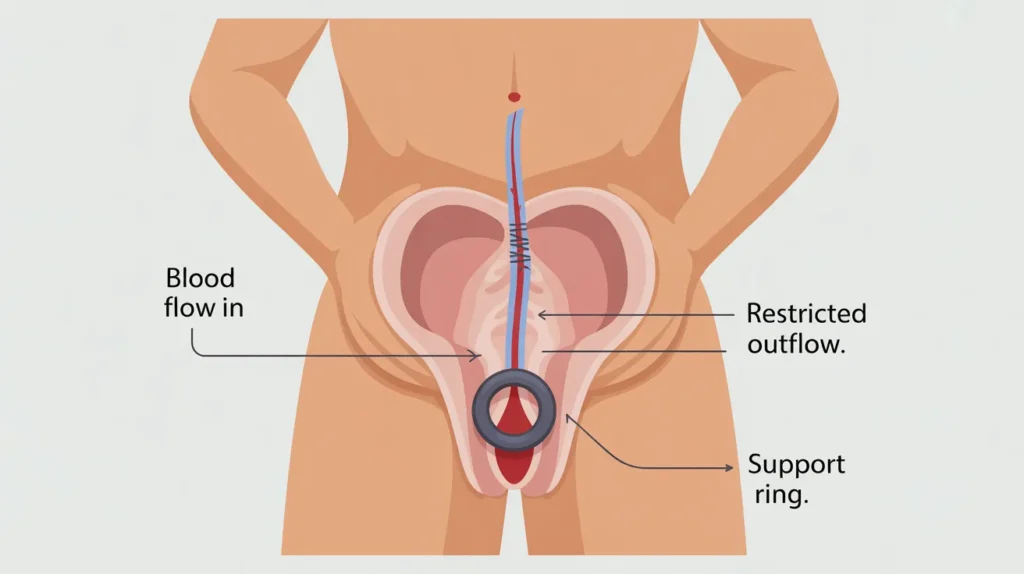
A cock ring is a circular device worn around the base of the penis, or sometimes around the penis and testicles together. Its primary purpose is to restrict blood flow out of the penis, helping maintain firmness during sexual arousal.
Key Characteristics
- Usually round or oval
- Made from materials like silicone, rubber, metal, leather, or plastic
- Available in adjustable and non-adjustable styles
- Can be purely functional or include vibration or decorative elements
Cock rings are not medical devices, but they do interact directly with blood circulation, which means proper use is essential.
2. How a Cock Ring Works in the Body
To understand what a cock ring does, it helps to know how erections work.
The Basic Physiology
- Sexual arousal increases blood flow into the penis
- Veins normally allow blood to exit after arousal decreases
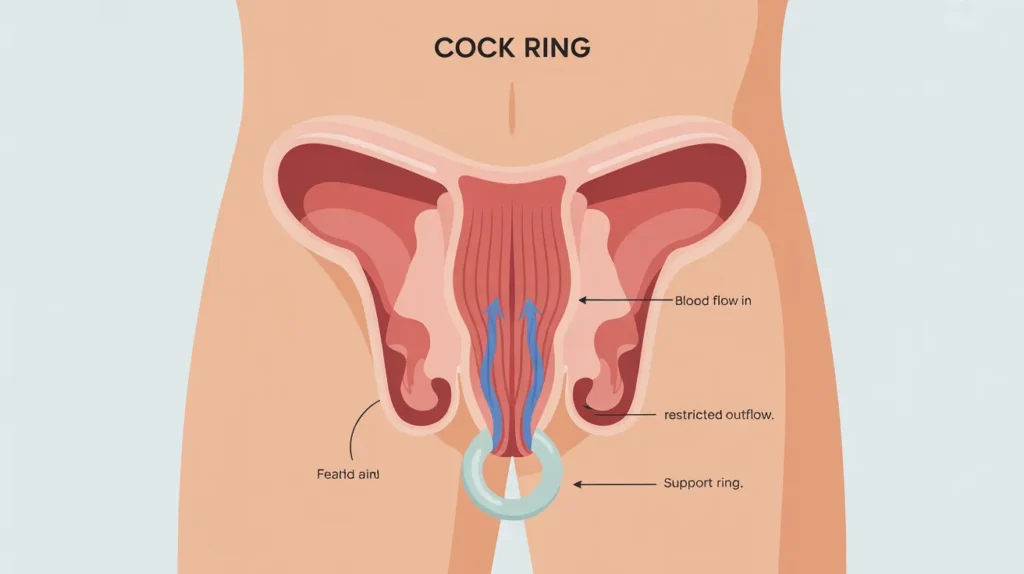
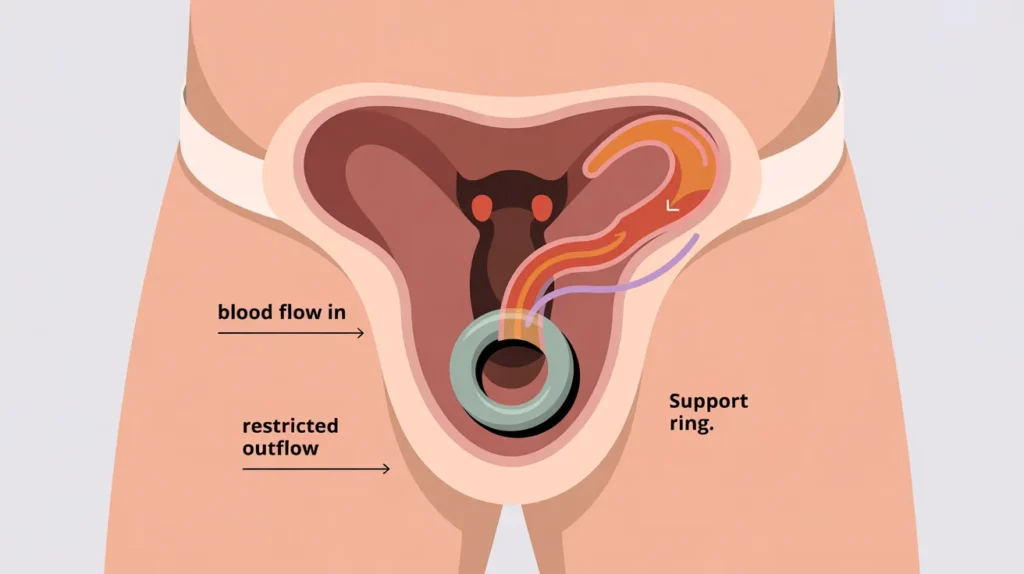
- A cock ring gently compresses these veins
- Blood stays in the penis longer, maintaining firmness
Think of It Like This:
Much like a snug bandage that slows fluid movement—but does not stop it entirely—a cock ring supports blood retention rather than forcing an erection.
3. What Does a Cock Ring Do?
A cock ring can have several physical and psychological effects, depending on the person and the type of ring used.
Primary Effects
- Helps maintain a firmer erection
- May delay ejaculation for some users
- Can enhance sensitivity and awareness
- Provides a feeling of fullness or pressure
Secondary Effects
- Increased confidence during intimacy
- Enhanced partner experience for some couples
- Mild enlargement appearance due to blood retention
Important: A cock ring does not cure erectile dysfunction, but it may assist some individuals temporarily.
4. Types of Cock Rings and Their Uses
Just as pet collars come in different styles for different animals and needs, cock rings vary widely.
1. Soft Silicone or Rubber Rings
Best for beginners
- Stretchy and forgiving
- Easy to remove
- Less risk of circulation problems
2. Adjustable Cock Rings
- Snap, Velcro, or buckle closure
- Allows precise fit
- Good for first-time users
3. Rigid Metal Rings
Advanced users only
- Non-flexible
- Must be sized correctly
- Higher risk if used improperly
4. Vibrating Cock Rings
- Include small motor
- Often designed for partner stimulation
- Usually time-limited due to battery life
5. Potential Benefits of Using a Cock Ring
When used correctly, cock rings can offer benefits similar to supportive medical aids—temporary, situational, and individual-dependent.
Commonly Reported Benefits
- Longer-lasting firmness
- Increased awareness of arousal
- Improved sexual confidence
- Greater partner engagement (with vibrating models)
Psychological Benefits
- Reduced performance anxiety
- Enhanced body awareness
- Novelty and curiosity
6. Possible Side Effects and Warning Signs
Like any device that affects circulation, cock rings must be used responsibly.
Mild and Temporary Effects
- Slight discoloration
- Increased warmth
- Mild pressure sensation
Warning Signs (Remove Immediately)
- Numbness or tingling
- Cold skin
- Deep purple or blue coloring
- Pain or throbbing
- Swelling that worsens
Rule of Thumb: If it hurts, feels numb, or looks alarming—it’s time to remove it.
7. How to Use a Cock Ring Safely
Safety should always come first, just as it would with any animal harness or medical accessory.
Step-by-Step Safety Tips
- Start with a soft, adjustable ring
- Use lubricant to reduce friction
- Place at the base—not mid-shaft
- Limit use to 20–30 minutes
- Never sleep while wearing one
- Never use if intoxicated
Visual Cues to Monitor
- Skin should remain warm
- Color should be pink to light red
- Sensation should remain intact
8. Who Should Avoid Using a Cock Ring?
Some individuals should consult a healthcare provider or avoid cock rings altogether.
Avoid Use If You Have:
- Diabetes with circulation issues
- Blood clotting disorders
- Nerve damage or numbness
- History of priapism (prolonged erections)
- Severe erectile pain
Cock rings are optional tools, not necessities.
9. Common Myths and Misunderstandings
Myth 1: Cock rings permanently enlarge the penis
False. Any size change is temporary.
Myth 2: Tighter is better
False. Excessive tightness is dangerous.
Myth 3: Everyone should use one
False. Many people don’t benefit or need them.
Myth 4: Metal rings are superior
False. They simply require more experience.
10. Where a Cock Ring Can Be Found or Live
While not a living creature, cock rings do have typical “habitats” or environments where they are commonly found, stored, or used.
Common Places Cock Rings Are Found
- Sexual wellness stores
- Online adult health retailers
- Personal bedside drawers
- Travel toiletry kits (discreet models)
Storage Environments
- Clean, dry containers
- Away from extreme heat
- Separated from sharp objects
- Silicone rings should avoid contact with silicone oils
Usage Environments
- Private bedrooms
- Clean, controlled spaces
- Never in water unless explicitly designed for it
11. When to Seek Medical Advice
Seek immediate medical help if:
- The ring cannot be removed
- Severe swelling occurs
- Numbness lasts after removal
- Pain persists beyond several hours
Medical professionals handle these situations without judgment.
12. Frequently Asked Questions (FAQ)
1. How long can you safely wear a cock ring?
Most experts recommend no longer than 20–30 minutes at a time.
2. Can a cock ring help with erectile dysfunction?
It may help temporarily for some people, but it is not a treatment or cure.
3. Can a cock ring cause permanent damage?
Yes—if misused. Proper sizing, time limits, and attention to warning signs prevent most issues.