
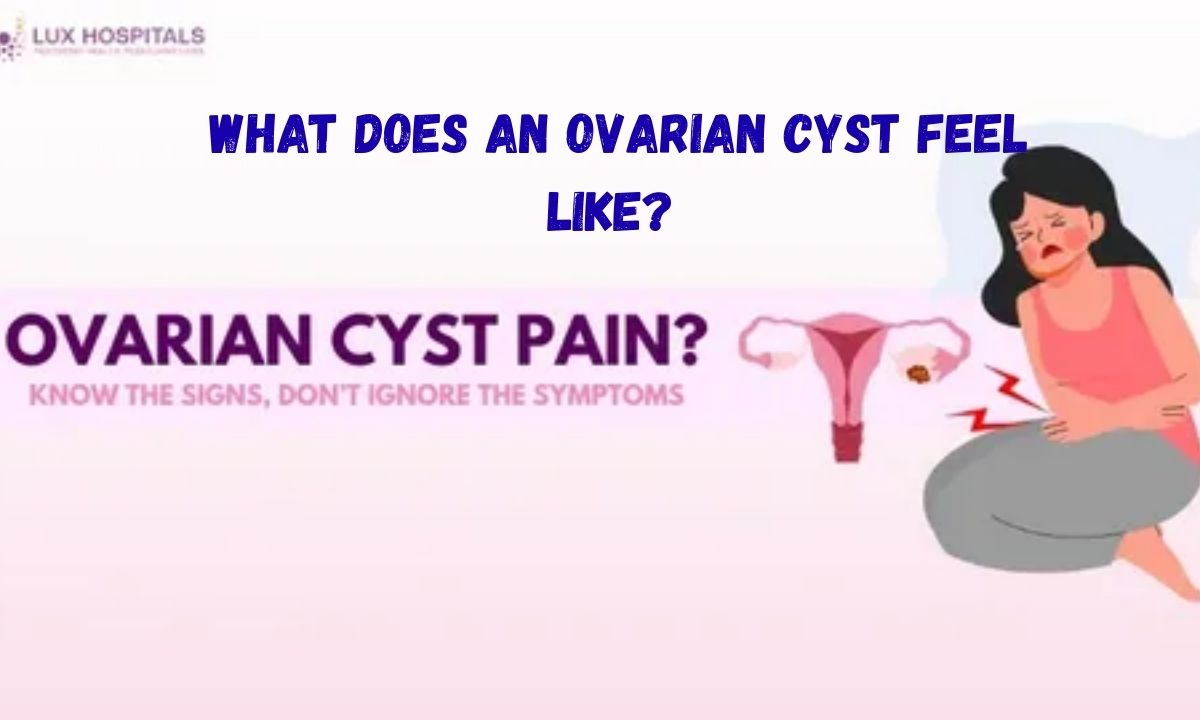
If you’ve recently been told you have an ovarian cyst or suspect you might one of your first questions is probably: What does an ovarian cyst feel like?
The answer isn’t always straightforward. Some ovarian cysts cause no symptoms at all. Others can create noticeable discomfort, pressure, or even sudden severe pain. Understanding how these cysts feel, why they form, and when to seek medical help can give you peace of mind and help you make informed decisions about your health.
In this detailed guide, we’ll explore:
- What ovarian cysts are
- The different types
- How they typically feel
- Warning signs of complications
- Practical tips for managing discomfort
- When to see a doctor
Let’s begin with the basics.
What Is an Ovarian Cyst?
An ovarian cyst is a fluid-filled sac that develops in or on an ovary. The ovaries are two small, almond-shaped organs located on either side of the uterus. They produce eggs and important hormones like estrogen and progesterone.
Most ovarian cysts are benign (non-cancerous) and harmless. Many form as a normal part of the menstrual cycle and go away on their own without treatment.
Types of Ovarian Cysts (And Why They Matter)
Different types of cysts can feel different. Understanding the type helps explain the symptoms.
1. Functional Cysts
These are the most common and usually harmless.
- Follicular cysts – Form when a follicle doesn’t release an egg.
- Corpus luteum cysts – Form after an egg is released.
They often:
- Cause no symptoms
- Disappear within 1–3 months
- Occasionally cause mild pelvic discomfort
2. Dermoid Cysts (Teratomas)
These contain tissue such as hair, skin, or fat.
They can grow larger and may cause pressure or fullness.
3. Endometriomas
Associated with endometriosis.
Often cause:
- Chronic pelvic pain
- Painful periods
- Deep pain during intercourse
4. Cystadenomas
Fluid-filled cysts that can grow large.
They may create a sensation of heaviness or abdominal swelling.
What Does an Ovarian Cyst Feel Like?
The feeling depends on the size, type, and whether complications occur. Here’s what many people report:
1. No Feeling at All (Very Common)
Many ovarian cysts are discovered accidentally during a routine pelvic exam or ultrasound.
If a cyst is:
- Small
- Not pressing on nearby structures
- Not ruptured
You may feel absolutely nothing.
2. Dull Ache on One Side
A common description is:
“A mild, dull ache low in my belly on one side.”
This discomfort:
- Is usually localized to either the left or right lower abdomen
- May come and go
- Can feel like menstrual cramps
The pain may become more noticeable:
- Around ovulation
- Before your period
- During physical activity
3. Pressure or Fullness
Larger cysts may create:
- A feeling of pelvic heaviness
- Abdominal bloating
- Pressure in the lower abdomen
Some describe it as:
- “Like something is sitting in my pelvis.”
- “A balloon-like pressure inside.”
You may also feel pressure when:
- Sitting for long periods
- Exercising
- Having a full bladder
4. Sharp or Sudden Pain
If a cyst ruptures or twists (called ovarian torsion), the pain can be intense.
This pain is typically:
- Sudden
- Sharp
- Severe
- Located on one side
It may be accompanied by:
- Nausea
- Vomiting
- Sweating
- Dizziness
This is a medical emergency and requires immediate attention.
5. Pain During Sex
Some cysts, especially larger ones or those related to endometriosis, can cause:
- Deep pelvic pain during intercourse
- Aching afterward
This is usually due to pressure or inflammation around the ovary.
6. Lower Back or Thigh Pain
Because the ovaries sit deep in the pelvis, pain can radiate.
You might feel:
- Lower back discomfort
- Thigh ache
- Pelvic tightness
This happens when the cyst presses on nearby nerves.
7. Changes in Your Period
While not a “feeling” exactly, cysts can alter your menstrual experience.
You might notice:
- Heavier periods
- Irregular cycles
- Spotting
- More painful cramps
Where Ovarian Cysts Can Be Found or Live
Ovarian cysts are not “creatures,” but they develop in specific locations within the reproductive system.
They are typically found:
- Inside one ovary
- On the surface of an ovary
- Occasionally on both ovaries
The ovaries themselves are located:
- On either side of the uterus
- Deep within the pelvic cavity
- Near the fallopian tubes
Certain environments increase the likelihood of cyst formation:
- During reproductive years
- In people who ovulate regularly
- In those with hormonal imbalances
- In conditions like endometriosis or PCOS
After menopause, cysts are less common but require closer monitoring.
What Does a Small vs. Large Ovarian Cyst Feel Like?
Small Cysts (Under 3 cm)
Often:
- No symptoms
- Mild discomfort
- Discovered incidentally
Medium Cysts (3–5 cm)
May cause:
- Noticeable ache
- Mild bloating
- Light pelvic pressure
Large Cysts (Over 5 cm)
More likely to cause:
- Visible abdominal swelling
- Heaviness
- Frequent urination (pressure on bladder)
- Constipation (pressure on bowel)
Large cysts increase the risk of rupture or torsion.
What Does a Ruptured Ovarian Cyst Feel Like?
A ruptured cyst often causes:
- Sudden sharp pain
- Pain that may improve after several hours
- Light vaginal spotting
In some cases, internal bleeding can occur.
Seek immediate medical care if you experience:
- Severe pain
- Fever
- Fainting
- Rapid breathing
- Weakness
What Does Ovarian Torsion Feel Like?
Ovarian torsion occurs when the ovary twists around its supporting ligaments.
Symptoms include:
- Sudden, severe one-sided pain
- Nausea and vomiting
- Tender abdomen
- Pain that doesn’t improve
This requires emergency surgery to prevent loss of the ovary.
Practical Tips for Managing Mild Ovarian Cyst Pain
If your doctor confirms the cyst is simple and safe to monitor, you may try:
1. Heat Therapy
- Use a heating pad on the lower abdomen.
- Relaxes pelvic muscles.
2. Over-the-Counter Pain Relief
- Ibuprofen (if approved by your doctor).
- Reduces inflammation.
3. Gentle Movement
- Light walking may ease pressure.
- Avoid high-impact workouts.
4. Track Your Symptoms
Keep a journal of:
- Pain timing
- Intensity
- Relation to menstrual cycle
5. Stay Hydrated
Proper hydration can reduce bloating sensations.
When Should You See a Doctor?
Make an appointment if you have:
- Persistent pelvic pain
- Unexplained bloating
- Pain during sex
- Irregular periods
Seek emergency care if you experience:
- Sudden severe pain
- Fainting
- Fever
- Rapid heart rate
Can Ovarian Cysts Be Cancerous?
Most ovarian cysts are benign.
However, certain features raise concern:
- Postmenopausal status
- Solid components on imaging
- Rapid growth
- Persistent symptoms
Your doctor may recommend:
- Ultrasound monitoring
- Blood tests
- Surgical removal (if suspicious)
How Are Ovarian Cysts Diagnosed?
Doctors typically use:
- Pelvic examination
- Ultrasound imaging
- CT or MRI (if needed)
- Blood tests
An ultrasound can show:
- Size
- Shape
- Fluid vs. solid components
Who Is Most Likely to Develop Ovarian Cysts?
Risk factors include:
- Reproductive age
- Hormonal imbalance
- Pregnancy
- Endometriosis
- Polycystic ovary syndrome (PCOS)
- Prior ovarian cysts
Birth control pills may reduce recurrence by preventing ovulation.
Emotional Impact: What It Can Feel Like Mentally
Physical discomfort isn’t the only concern.
Many people report:
- Anxiety after diagnosis
- Fear of rupture
- Worry about fertility
It helps to remember:
- Most cysts resolve naturally.
- Many women have cysts without ever knowing.
Open communication with your healthcare provider can ease concerns.
Common Myths About Ovarian Cysts
Myth 1: All cysts cause severe pain.
False. Many cause no symptoms.
Myth 2: Cysts always require surgery.
Most resolve on their own.
Myth 3: They always affect fertility.
Most do not interfere with future pregnancy.
Frequently Asked Questions (FAQ)
1. How long does ovarian cyst pain last?
Mild discomfort may last days to weeks. Functional cysts usually resolve within 1–3 menstrual cycles.
2. Can you feel an ovarian cyst from the outside?
Not directly. Very large cysts may cause visible abdominal swelling, but you typically cannot “feel” the cyst with your hand.
3. Does an ovarian cyst feel like period cramps?
Yes, it can. Many describe it as similar to menstrual cramps but localized more to one side.
4. Can stress cause ovarian cysts?
Stress doesn’t directly cause cysts, but hormonal imbalances related to stress may contribute indirectly.
5. Should I avoid exercise if I have a cyst?
High-impact or intense workouts may increase discomfort, especially with larger cysts. Gentle exercise is usually safe unless advised otherwise by your doctor.
Final Thoughts
So, what does an ovarian cyst feel like?
For many people—nothing at all.
For others, it may feel like:
- A dull pelvic ache
- A sense of pressure or fullness
- Mild bloating
- Period-like cramps
In rare cases, it can cause sudden severe pain requiring urgent care.
The key takeaway: Most ovarian cysts are common, manageable, and temporary. But knowing the warning signs of complications empowers you to seek help when necessary.
If you’re unsure about symptoms, don’t guess schedule a medical evaluation. Early reassurance is always better than prolonged worry.