

Bat poop—more accurately called bat guano—is something many homeowners, gardeners, and wildlife enthusiasts encounter without immediately realizing what it is. You might spot small dark pellets on your porch, in an attic, near a window ledge, or beneath roof eaves and wonder: Is this mouse poop? Rat droppings? Something else entirely?
Correctly identifying bat poop is important for health, safety, property protection, and wildlife conservation. This guide will walk you through exactly what bat poop looks like, how to tell it apart from other animal droppings, where it’s commonly found, and what to do if you discover it in or around your home.
Think of this as a field guide meets vet-care manual—calm, practical, and easy to understand.
What Is Bat Poop (Bat Guano)?
Bat poop is officially called guano, a term used for the droppings of bats and seabirds. Bat guano is made primarily of:
- Digested insect exoskeletons (for insect-eating bats)
- Small amounts of plant material (for fruit-eating bats)
- Waste byproducts from metabolism
Because bats eat large quantities of insects each night, their droppings are nutrient-rich, dry, and crumbly.
What Does Bat Poop Look Like?
General Appearance
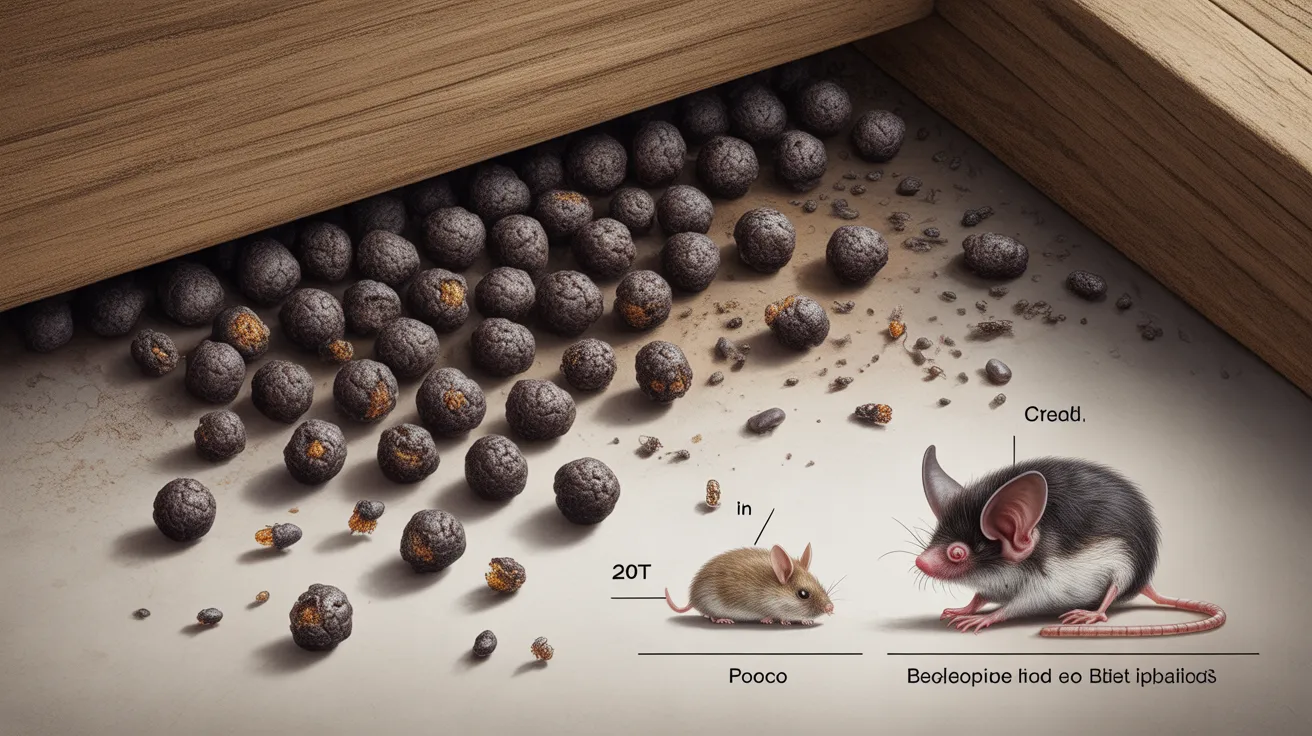
Bat poop usually looks like small, dark pellets. At first glance, it’s commonly mistaken for mouse or rat droppings.
Typical characteristics include:
- Color: Dark brown to black
- Shape: Oval or cylindrical pellets
- Ends: Slightly pointed or blunt
- Texture: Dry and crumbly
- Size: About the size of a grain of rice (¼–½ inch)
However, size and shape can vary slightly depending on the bat species and diet.
Key Visual Cues of Bat Poop
If you’re examining droppings and suspect bats, look for these visual clues:
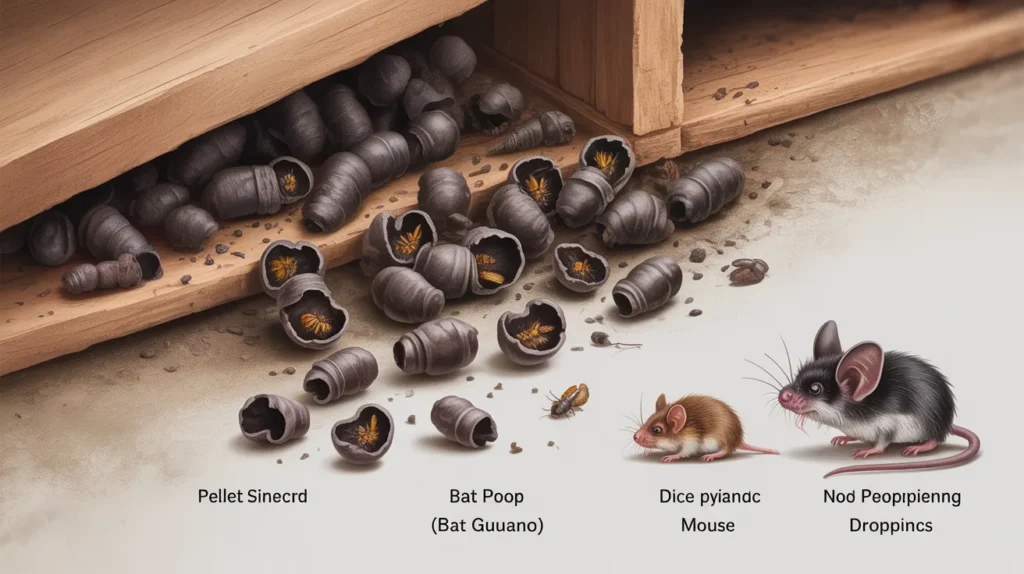
- Pellets often appear segmented or slightly shiny
- When crushed, they break apart easily
- You may see sparkly fragments from insect wings
- Droppings often accumulate in piles beneath roosting spots
💡 Tip: Unlike rodent droppings, bat guano does not smear when pressed—it crumbles.
What Does Bat Poop Look Like Up Close?
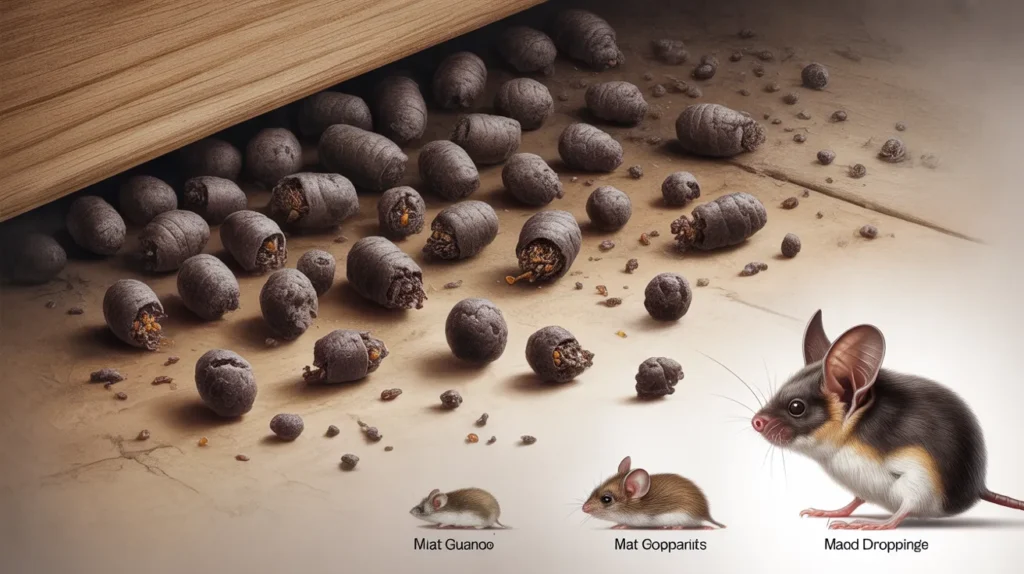
When examined closely (using gloves or tools):
- The surface appears dry and flaky
- Inside, you may see tiny reflective flecks
- The pellets feel lighter than rodent droppings
These sparkly bits are from chitin, the hard outer shell of insects.
What Color Is Bat Poop?
Bat poop color depends on diet:
- Dark brown or black: Insect-eating bats (most common)
- Greenish or reddish: Fruit-eating bats
- Grayish: Older, weathered guano
Fresh bat droppings are darker and may appear slightly glossy, while older guano becomes dull and dusty.
What Does Bat Poop Smell Like?
Bat guano has a strong, musty odor when it accumulates.
- Small amounts may have little smell
- Large piles smell ammonia-like
- Odor is stronger in enclosed spaces like attics
Persistent smells are often the first sign of a bat colony.
Bat Poop vs Mouse Poop: How to Tell the Difference
This is one of the most common questions homeowners ask.
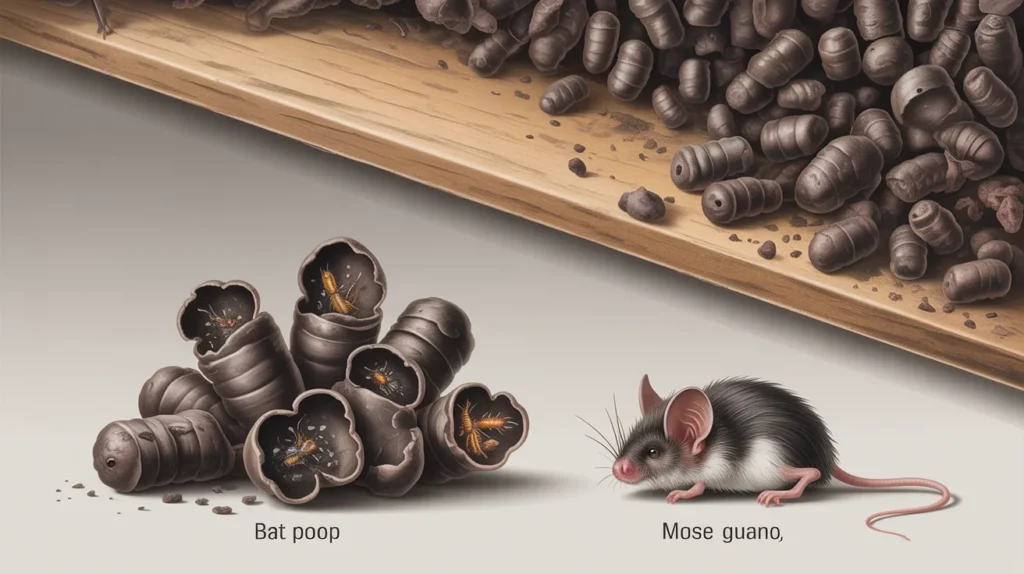
Bat Poop
- Crumbly when crushed
- Contains shiny insect fragments
- Often found beneath roosting areas
- No urine trails
Mouse Poop
- Smooth and solid
- Smears when crushed
- Uniform shape
- Often found along walls or cabinets
Quick test (with gloves):
If it crumbles into dust and sparkles → bat poop
If it smears → rodent poop
Bat Poop vs Rat Poop
Rat droppings are:
- Larger (½–¾ inch)
- Blunt or banana-shaped
- Dense and heavy
- Often greasy-looking
Bat guano is smaller, lighter, and more fragile.
What Does Bat Poop Look Like on Walls or Windows?
Bat droppings may appear as:
- Small black specks
- Vertical streaks beneath roosts
- Accumulated pellets on window sills
You may also see urine stains, which appear white or chalky.
Where Bat Poop Commonly Accumulates
Bat guano builds up wherever bats roost regularly.
Common locations include:
- Attics
- Chimneys
- Roof eaves
- Barn rafters
- Under bridges
- Porch ceilings
- Wall cavities
- Tree hollows
Outside, droppings often collect directly below entry points.
Where Bat Poop Can Be Found or Live
Bat poop doesn’t “live” on its own, but it accumulates wherever bats roost, rest, or nest.
Typical Environments
- Residential attics and roof spaces
- Abandoned buildings and barns
- Caves and tunnels
- Bridges and overpasses
- Tree canopies and hollow trunks
Hosts and Wildlife Connection
- Found wherever bat colonies are present
- Often appears seasonally during warmer months
- May remain year-round in established roosts
Bat guano can persist long after bats leave, especially in dry indoor areas.
How Much Bat Poop Is Normal?
A single bat produces 20–30 pellets per night. Multiply that by dozens or hundreds of bats, and buildup can occur quickly.
Signs of heavy infestation:
- Large piles of guano
- Strong ammonia smell
- Staining on walls or ceilings
- Scratching or squeaking sounds at dusk
Is Bat Poop Dangerous?
Bat guano itself is not aggressive or toxic, but it can pose health risks if disturbed.
Potential Health Concerns
- Histoplasmosis: A fungal infection from airborne spores
- Allergic reactions
- Respiratory irritation
- Secondary pests (insects attracted to guano)
💡 Risk increases when guano is dry and airborne.
Symptoms of Guano Exposure
Possible symptoms include:
- Coughing
- Fever
- Chest pain
- Fatigue
- Shortness of breath
Anyone with symptoms after exposure should seek medical advice.
What to Do If You Find Bat Poop
Step-by-Step Response
- Do not touch with bare hands
- Wear gloves and a mask
- Avoid sweeping or vacuuming dry guano
- Lightly mist to reduce dust
- Identify the source (active bats or old droppings)
If buildup is significant, professional wildlife or pest control services are recommended.
How to Clean Bat Poop Safely
Protective Gear
- Gloves
- Mask or respirator
- Eye protection
- Disposable coveralls (for large jobs)
Cleaning Tips
- Dampen droppings before removal
- Use paper towels or disposable tools
- Disinfect surfaces afterward
- Seal waste in double bags
Never use a regular vacuum—it can spread spores.
Can Bat Poop Be Beneficial?
Yes—bat guano is a powerful natural fertilizer.
Benefits in Gardening
- High in nitrogen and phosphorus
- Improves soil health
- Encourages microbial activity
However, only use commercially processed guano, not raw droppings from buildings.
Seasonal Changes in Bat Poop
- Spring/Summer: Fresh, frequent droppings
- Fall: Decreasing amounts
- Winter: Older, dusty guano remains
Understanding seasonality helps determine whether bats are currently present.
Signs Bat Poop Indicates Active Bats
- Fresh pellets daily
- Strong odors
- Evening bat activity
- Chirping or rustling sounds
Old guano is drier, lighter, and odorless.
When to Call a Professional
Seek help if:
- Guano buildup is large
- Bats are living inside walls
- You smell ammonia indoors
- Cleanup feels unsafe
Wildlife specialists can humanely exclude bats while following local laws.
Common Misidentification Mistakes
People often confuse bat poop with:
- Mouse droppings
- Lizard droppings
- Cockroach frass
Key difference: bat poop crumbles and sparkles.
Frequently Asked Questions (FAQ)
What does bat poop look like compared to mouse poop?
Bat poop is crumbly and contains shiny insect fragments, while mouse poop is smooth, solid, and smears when crushed.
Can bat poop make you sick?
Yes, inhaling disturbed guano dust can cause respiratory illness, especially in enclosed spaces.
How can I tell if bat poop is old or fresh?
Fresh guano is darker and slightly shiny. Old guano is gray, dusty, and odorless.
Is it illegal to remove bats?
In many areas, bats are protected. Removal must be humane and seasonal. Always check local regulations.
Final Thoughts
Bat poop may look alarming at first, but understanding what it looks like, where it’s found, and how to handle it safely makes all the difference. With proper identification and care, you can protect your health, your home, and the bats themselves.
If you’re ever unsure, treat guano with caution and seek professional help—it’s better to be safe than sorry.