

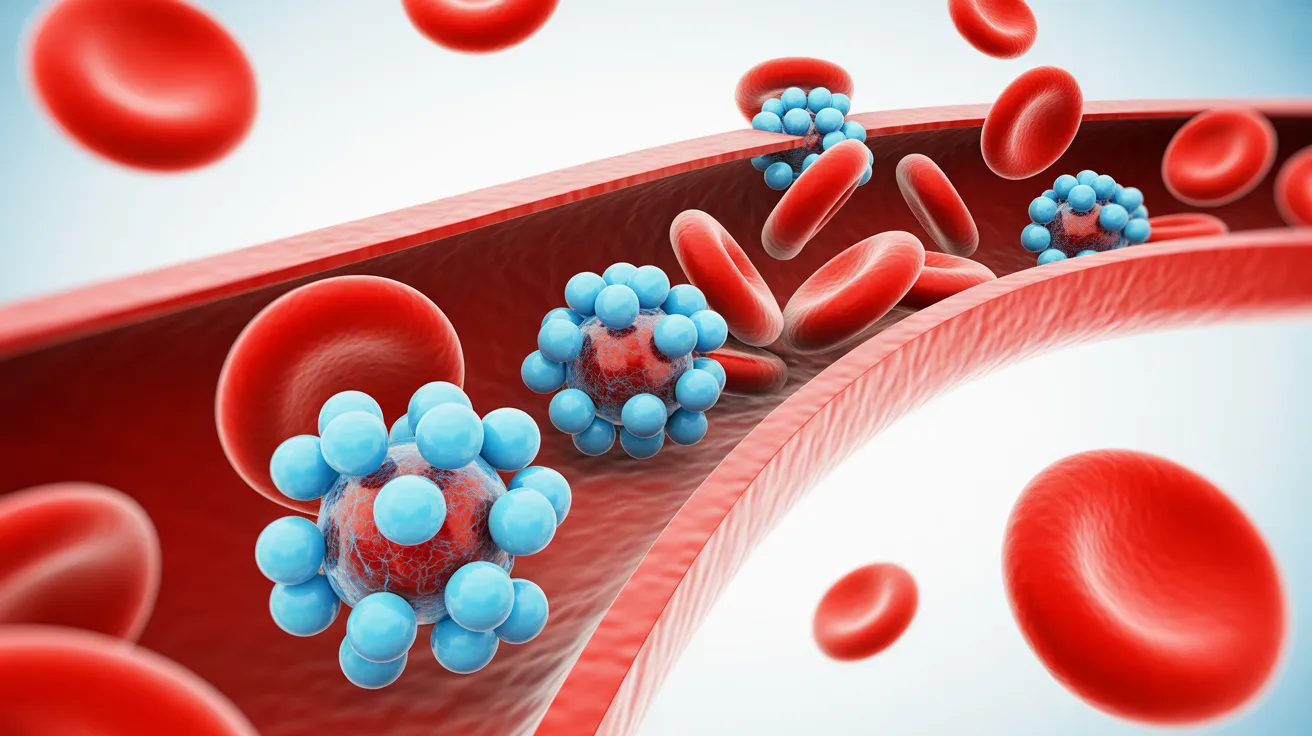
Hemoglobin is one of those tiny things in the body that does an enormous amount of work. You rarely think about it unless a blood test flags something as “low” or “high,” but without hemoglobin, life simply wouldn’t be possible.
Whether you’re reading lab results, trying to understand fatigue or anemia, or just curious about how your body transports oxygen, this guide will walk you through what hemoglobin does, why it matters, and what happens when it doesn’t work properly—in clear, practical language.
Think of this article as a care manual for one of your body’s most essential workers.
What Is Hemoglobin?
Hemoglobin is a protein found inside red blood cells. Its main job is to carry oxygen from the lungs to the rest of the body and bring carbon dioxide back to the lungs so it can be exhaled.
Without hemoglobin:
- Your muscles couldn’t move properly
- Your brain wouldn’t function
- Your organs would slowly shut down
In simple terms, hemoglobin is the delivery truck for oxygen.
Basic Facts About Hemoglobin
- Found in: Red blood cells
- Made of: Protein + iron
- Color: Gives blood its red color
- Lifespan: About 120 days per red blood cell
What Does Hemoglobin Do in the Body?
Hemoglobin has several vital roles, but its core function is oxygen transport.
1. Carries Oxygen From the Lungs to the Body
When you breathe in:
- Oxygen enters your lungs
- Oxygen passes into the bloodstream
- Hemoglobin binds to oxygen molecules
- Oxygen is delivered to tissues and organs
Every single cell in your body depends on this process.
Visual cue:
Bright red blood = oxygen-rich hemoglobin
Darker red blood = oxygen-poor hemoglobin
2. Returns Carbon Dioxide to the Lungs
Cells produce carbon dioxide as waste. Hemoglobin helps:
- Pick up carbon dioxide from tissues
- Transport it back to the lungs
- Remove it from the body when you exhale
This process keeps your blood chemistry balanced.
3. Helps Maintain Blood pH
Hemoglobin also plays a role in:
- Regulating blood acidity
- Preventing dangerous pH changes
- Supporting enzyme and organ function
This buffering action is subtle but critical.
4. Gives Blood Its Red Color
Hemoglobin contains iron, which:
- Reacts with oxygen
- Creates the red color of blood
That’s why:
- Oxygen-rich blood is bright red
- Oxygen-poor blood looks darker
How Hemoglobin Works Step by Step
Let’s simplify the process:
- You inhale oxygen
- Oxygen enters the lungs
- Hemoglobin binds oxygen
- Red blood cells travel through the bloodstream
- Oxygen is released into tissues
- Carbon dioxide is picked up
- Blood returns to the lungs
This cycle repeats millions of times per day.
Why Hemoglobin Is So Important
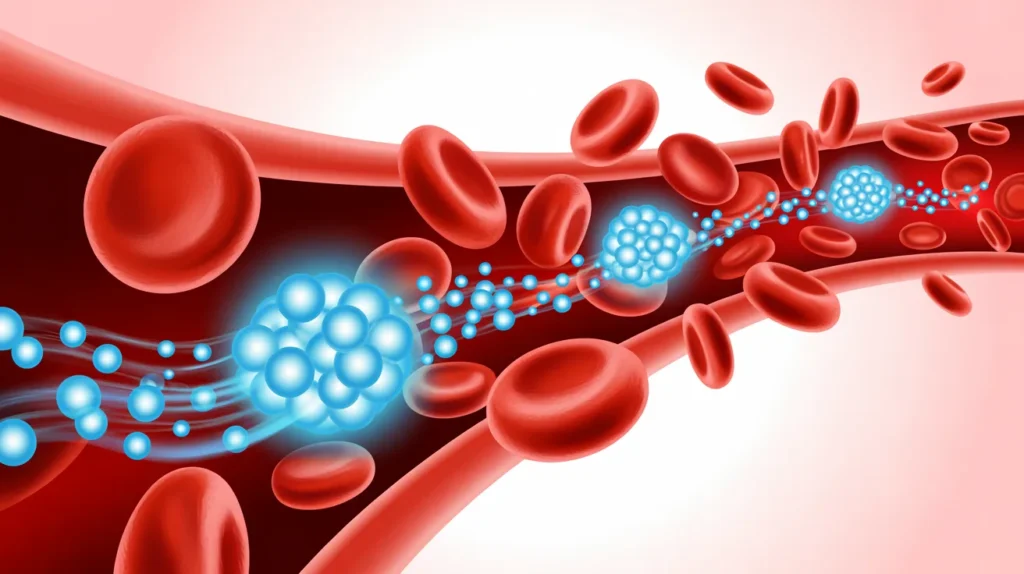
If hemoglobin levels drop or don’t work properly, your body struggles to function.
Healthy Hemoglobin Means:
- Good energy levels
- Clear thinking
- Proper organ function
- Strong immunity
Poor Hemoglobin Function Can Lead To:
- Fatigue
- Shortness of breath
- Dizziness
- Organ stress
Normal Hemoglobin Levels
Hemoglobin levels are measured through a blood test.
Typical Adult Ranges
- Men: 13.5–17.5 g/dL
- Women: 12.0–15.5 g/dL
- Children: Varies by age
Values outside these ranges may indicate an underlying issue.
What Happens When Hemoglobin Is Low?
Low hemoglobin is often called anemia.
Common Causes of Low Hemoglobin
- Iron deficiency
- Blood loss
- Poor nutrition
- Chronic disease
- Pregnancy
- Genetic conditions
Symptoms of Low Hemoglobin
You may notice:
- Constant tiredness
- Pale skin or gums
- Shortness of breath
- Rapid heartbeat
- Cold hands and feet
- Headaches
- Dizziness
Visual cue:
Pale inner eyelids or gums may indicate anemia.
Practical Tips If Hemoglobin Is Low
- Eat iron-rich foods (spinach, lentils, red meat)
- Pair iron with vitamin C
- Avoid tea/coffee right after meals
- Follow medical advice for supplements
What Happens When Hemoglobin Is High?
High hemoglobin is less common but still important.
Possible Causes
- Living at high altitude
- Smoking
- Dehydration
- Lung disease
- Certain bone marrow conditions
Symptoms of High Hemoglobin
- Headaches
- Red or flushed skin
- Itching
- Dizziness
- Increased risk of blood clots
High levels may thicken blood, making circulation harder.
Types of Hemoglobin
Hemoglobin isn’t just one single type.
1. Hemoglobin A (HbA)
- Most common type in adults
- Makes up about 95–98%
2. Hemoglobin A2 (HbA2)
- Minor adult hemoglobin
- Useful for diagnosing certain conditions
3. Hemoglobin F (Fetal Hemoglobin)
- Found in unborn babies
- Holds oxygen more tightly
- Replaced after birth
Abnormal Hemoglobin Types
Some genetic conditions affect hemoglobin structure:
- Sickle hemoglobin (HbS)
- Thalassemia variants
- Hemoglobin C
These can affect oxygen delivery.
How Hemoglobin Is Made
Your body makes hemoglobin in the bone marrow.
Required Ingredients
- Iron
- Protein
- Vitamin B12
- Folate
A shortage of any of these can reduce hemoglobin production.
Hemoglobin and Iron: What’s the Connection?
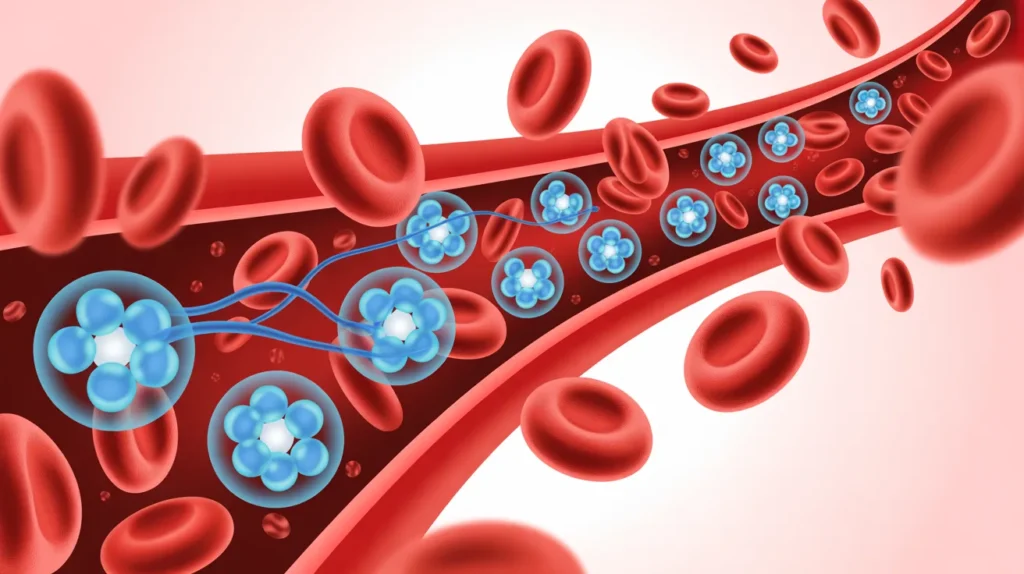
Iron is essential for hemoglobin to function.
Why Iron Matters
- Iron binds oxygen
- Without iron, hemoglobin can’t carry oxygen
- Iron deficiency = low hemoglobin
Tip: Iron from animal sources is absorbed better than plant sources.
Hemoglobin in Children and Babies
Hemoglobin levels change with age.
Babies
- Higher hemoglobin at birth
- Gradually decreases in early months
Children
- Levels stabilize as growth continues
- Nutrition plays a major role
Poor diet can easily affect hemoglobin in growing children.
Hemoglobin in Pregnancy
Pregnancy increases blood volume.
Why Levels May Drop
- Blood dilution
- Increased iron demand
- Growing fetus uses iron
Doctors often monitor hemoglobin closely during pregnancy.
Hemoglobin and Chronic Diseases
Certain illnesses affect hemoglobin:
- Kidney disease
- Cancer
- Autoimmune disorders
- Inflammatory conditions
These may reduce production or shorten red blood cell lifespan.
Tests Used to Measure Hemoglobin
Doctors may order:
- Complete Blood Count (CBC)
- Hemoglobin electrophoresis
- Iron studies
These tests help determine quantity and quality of hemoglobin.
Where Hemoglobin Can Be Found or Live
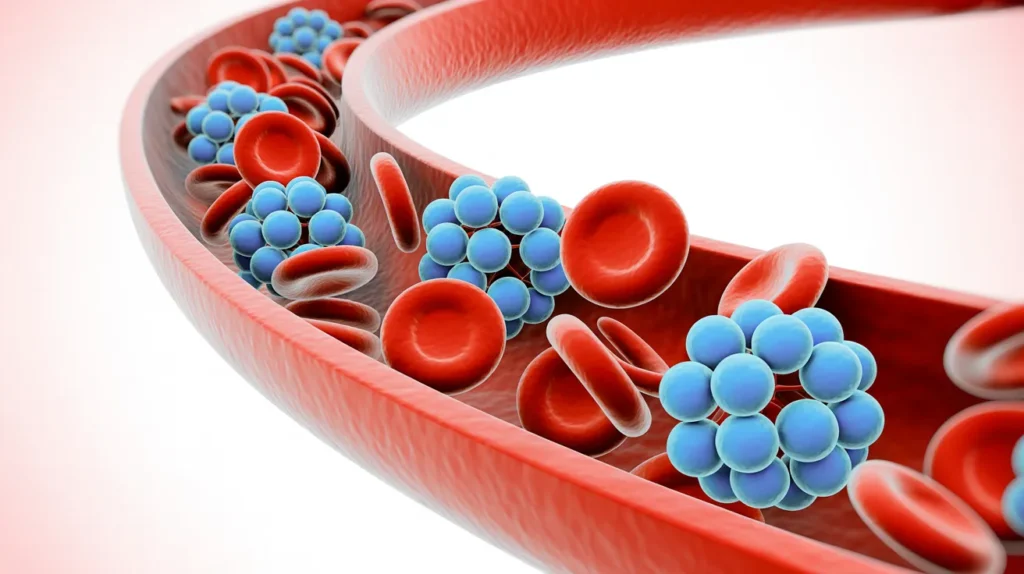
Although hemoglobin is not a living creature, it has a very specific “home” and environment within the body.
Primary Location
- Inside red blood cells
- Circulating in the bloodstream
Where It Travels
- Lungs (to pick up oxygen)
- Heart (for circulation)
- Muscles and organs (to deliver oxygen)
- Kidneys and liver (for recycling old cells)
Where It Is Produced
- Bone marrow
Where It Is Broken Down
- Spleen
- Liver
This continuous cycle keeps hemoglobin levels balanced.
How Lifestyle Affects Hemoglobin
Your daily habits matter more than you think.
Helpful Habits
- Balanced diet
- Staying hydrated
- Regular health checkups
- Managing chronic conditions
Habits That Harm Hemoglobin
- Smoking
- Poor nutrition
- Excessive alcohol
- Ignoring medical advice
When to See a Doctor About Hemoglobin
Seek medical advice if you experience:
- Persistent fatigue
- Unexplained weakness
- Breathlessness
- Abnormal blood test results
Early action prevents complications.
Common Myths About Hemoglobin
Myth 1: More Hemoglobin Is Always Better
Truth: Too much can be harmful.
Myth 2: Only Women Get Low Hemoglobin
Truth: Men and children can also be affected.
Myth 3: Supplements Are Always Safe
Truth: Iron overload can be dangerous without guidance.
Frequently Asked Questions (FAQ)
1. What does hemoglobin do in simple terms?
Hemoglobin carries oxygen from your lungs to your body and brings carbon dioxide back to be removed. It keeps your cells alive and functioning.
2. Can hemoglobin levels change quickly?
Yes. Blood loss, dehydration, illness, or treatment can cause noticeable changes within weeks or even days.
3. How can I naturally improve my hemoglobin?
You can support healthy hemoglobin by:
- Eating iron-rich foods
- Including vitamin C
- Avoiding inhibitors like tea after meals
- Following medical advice
4. Is hemoglobin the same as red blood cells?
No. Hemoglobin is a protein inside red blood cells. Red blood cells carry hemoglobin.
Key Takeaways
- Hemoglobin is essential for oxygen transport
- It affects energy, organs, and overall health
- Both low and high levels can cause problems
- Diet, lifestyle, and health conditions influence hemoglobin
- Regular testing helps catch issues early
Hemoglobin may be invisible, but its impact on your health is enormous.