

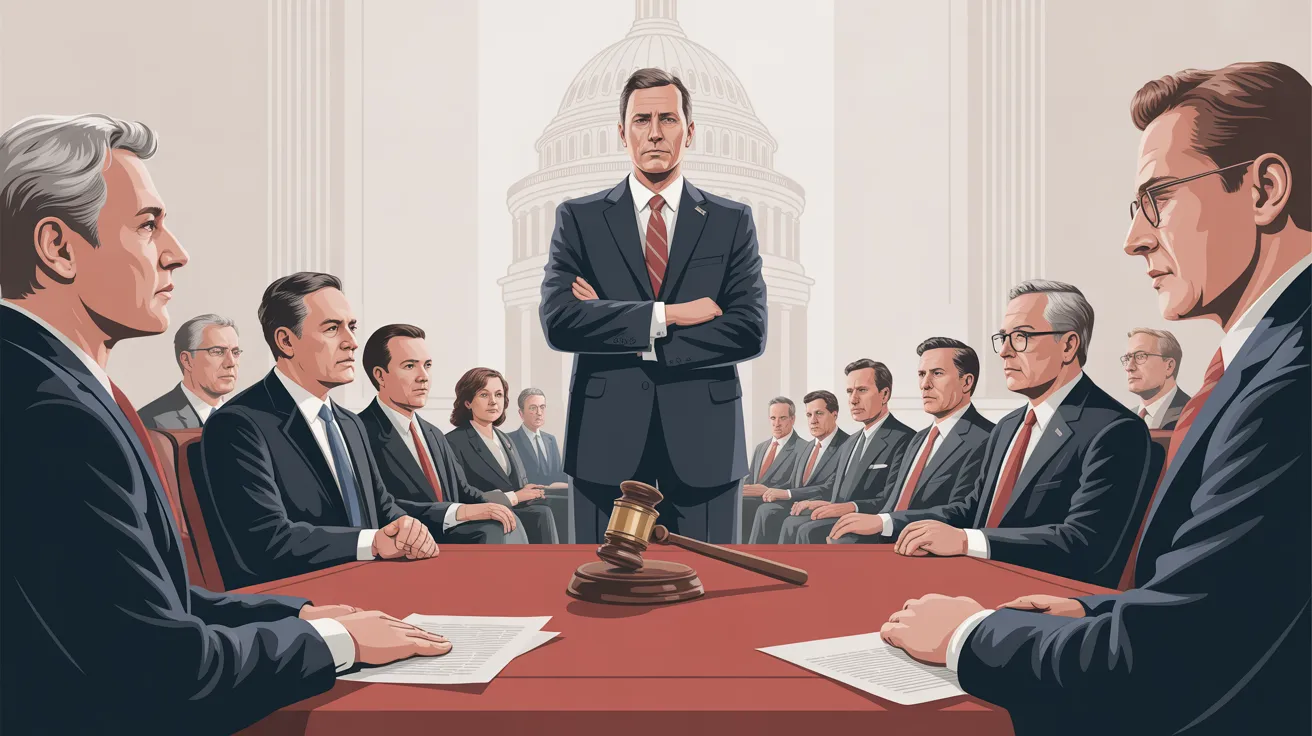
Being censured in Congress sounds serious—and it is—but it’s also widely misunderstood. Many people hear the term during political news coverage and assume it means someone has been removed from office or legally punished. In reality, censure is more like a formal public reprimand, similar to a stern warning documented in an official record.
This guide breaks down what congressional censure really means, how it works, why it happens, and what it does (and does not) do. Think of it like a vet explaining a diagnosis: calm, thorough, practical, and focused on helping you understand what’s going on.
Quick Overview: What Is Congressional Censure?
Censure in Congress is an official statement of strong disapproval issued by either the U.S. House of Representatives or the U.S. Senate against one of its own members.
In simple terms:
- It is not a criminal punishment
- It does not remove someone from office
- It is not impeachment
- It is a formal condemnation recorded in congressional history
Censure is meant to hold members accountable while stopping short of expulsion.
Why Does Congress Use Censure?
Censure exists as a middle-ground disciplinary tool. Congress uses it when a member’s behavior is considered inappropriate, unethical, or damaging to the institution—but not severe enough to justify expulsion.
Common Reasons for Censure
A member may be censured for:
- Ethical violations
- Abuse of office
- Inflammatory or inappropriate speech
- Misuse of campaign or official funds
- Behavior that damages public trust
Think of it like a “yellow card” rather than a “red card.”
A Helpful Analogy: Censure as a Behavioral Warning
If this were a pet-care guide, censure would be similar to:
- A vet issuing a formal warning to an owner about neglect
- A documented behavioral issue that doesn’t require removing the animal
- A visible note in the medical record that affects future decisions
It signals a problem, documents it clearly, and warns against repeat behavior.
How Does the Censure Process Work?
Step 1: Allegations or Misconduct
The process usually begins when:
- A member’s actions spark controversy
- Ethics complaints are filed
- Public or internal pressure builds
Step 2: Investigation or Debate
Depending on the situation:
- The House or Senate Ethics Committee may investigate
- Lawmakers debate whether censure is appropriate
- A formal resolution is drafted
Step 3: Vote on the Censure Resolution
- A simple majority is usually required
- The full chamber votes
- If passed, the censure becomes official
Step 4: Public Acknowledgment
In some cases (especially in the House):
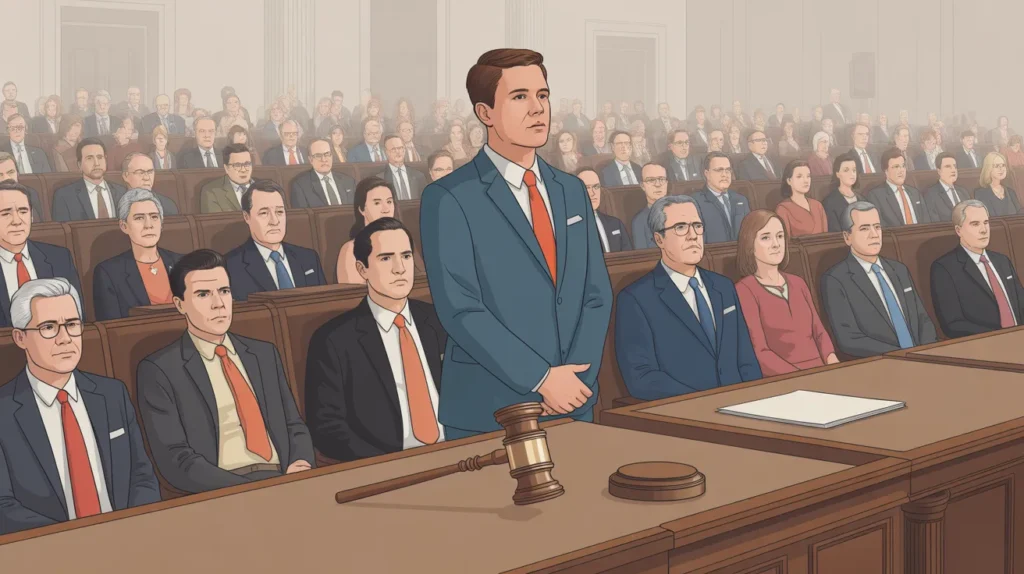
- The censured member may be required to stand in the chamber
- The resolution may be read aloud
- The action becomes part of the Congressional Record
What Happens After Someone Is Censured?
Immediate Effects
- Public embarrassment
- Permanent mark on political record
- Increased media scrutiny
- Damage to credibility and influence
What Does NOT Happen
- They are not removed from office
- They keep their salary
- They can still vote
- They can run for re-election
Censure is symbolic—but symbolism matters in politics.
Censure vs. Other Congressional Disciplinary Actions
Understanding censure is easier when compared to other tools Congress uses.
1. Censure
- Formal condemnation
- Strong disapproval
- No loss of office
2. Reprimand
- Less severe than censure
- Often private or less dramatic
- Still official
3. Expulsion
- Most severe punishment
- Requires a two-thirds vote
- Removes the member from Congress
4. Impeachment (Different Process)
- Applies mainly to executive and judicial officials
- Not a congressional discipline for members themselves
Historical Examples of Censure in Congress
Famous Cases
- Charles Sumner (1846) – Censured for insulting fellow senators
- Joseph McCarthy (1954) – Censured for abusive conduct
- Various modern members – For ethics violations or inflammatory conduct
Each case reflects the norms and values of its time.
Is Censure a Big Deal Politically?
Yes—and no.
Why It Matters
- Becomes a permanent historical record
- Can affect committee assignments
- Weakens leadership credibility
- Impacts reelection campaigns
Why It’s Limited
- No legal consequences
- No automatic penalties
- Public attention may fade
In political terms, censure is reputational damage, not institutional removal.
Symptoms That a Lawmaker May Be Headed Toward Censure
(Using a pet-care style diagnostic approach)
Watch for these warning signs:
- Repeated ethics complaints
- Escalating media criticism
- Public condemnation from party leaders
- Ethics Committee involvement
- Draft resolutions circulating
These “symptoms” often appear weeks or months before a formal censure vote.
Visual Cues and Public Signals of Censure
Although censure is procedural, it often includes visual or symbolic elements:
- Public floor statements
- The member standing during reading
- Official resolutions archived online
- Media headlines highlighting the vote count
These visuals reinforce the seriousness of the action.
Where Censure in Congress Can Be Found or Live
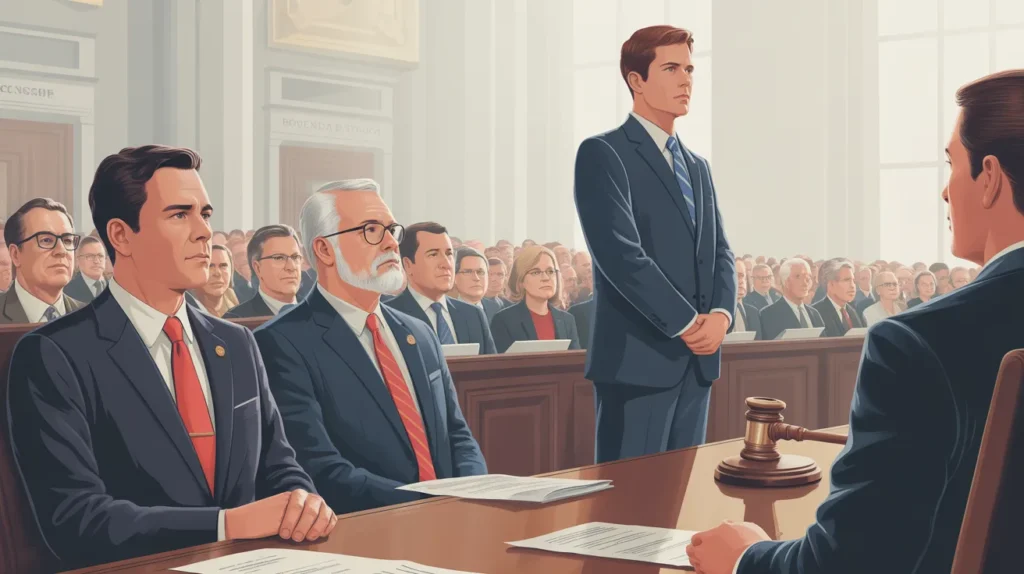
Unlike animals or organisms, censure doesn’t “live” in a physical habitat—but it exists within specific political environments.
Primary Environments
- U.S. House of Representatives
- U.S. Senate
Supporting “Habitats”
- Congressional Ethics Committees
- Official Congressional Record
- Historical archives
- Media and public discourse
Where It Persists Long-Term
- Biographies of the censured member
- Political attack ads
- History books
- Academic analysis of congressional behavior
Once issued, censure “lives on” as part of a lawmaker’s permanent public legacy.
Can a Censured Member Recover Politically?
Yes—many do.
Factors That Help Recovery
- Public apology
- Consistent improved behavior
- Strong voter base
- Time passing without repeat incidents
Factors That Make Recovery Harder
- Multiple censures
- Criminal investigations
- Loss of party support
- High-profile media coverage
Like rehabilitation after an illness, recovery depends on care, consistency, and environment.
Practical Tips for Voters: How to Interpret a Censure
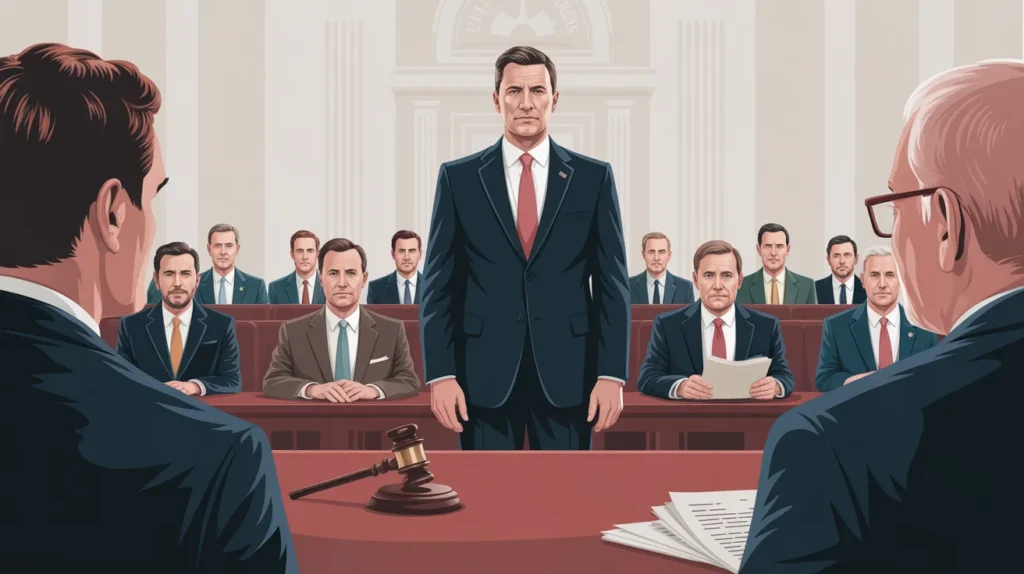
If you’re a voter or student trying to understand what censure means for democracy:
- Don’t assume guilt of a crime
- Read the actual resolution if possible
- Consider the context and evidence
- Watch for patterns of behavior
- Separate symbolism from legal consequences
Censure is about standards, not sentencing.
Common Misconceptions About Congressional Censure
“Censure means removal from office”
❌ False
“Censure is the same as impeachment”
❌ False
“Censure has no impact”
❌ Misleading—its impact is reputational, not legal
“Only one party uses censure”
❌ Both parties have used it historically
Why Censure Still Matters in Modern Politics
Even in a polarized era, censure serves key purposes:
- Reinforces institutional norms
- Signals boundaries of acceptable behavior
- Creates public accountability
- Preserves a non-criminal disciplinary option
It’s a reminder that Congress governs itself—imperfectly, but intentionally.
Frequently Asked Questions (FAQ)
1. Does censure carry legal penalties?
No. Censure is not a criminal or civil punishment. It carries no jail time, fines, or legal sanctions.
2. Can a censured member still run for reelection?
Yes. Many censured lawmakers have run again—and some have won.
3. Who decides whether someone is censured?
The full House or Senate decides through a formal vote, usually after debate or committee review.
4. Is censure permanent?
Yes. Once passed, it becomes part of the official congressional record and historical legacy.
Final Thoughts
Being censured in Congress is serious—but it’s not the end of a political career. It’s best understood as a formal, public warning meant to protect the integrity of the institution while giving voters the final say.
Like a vet explaining a condition, the goal isn’t panic—it’s understanding. And now, you have the full picture.