

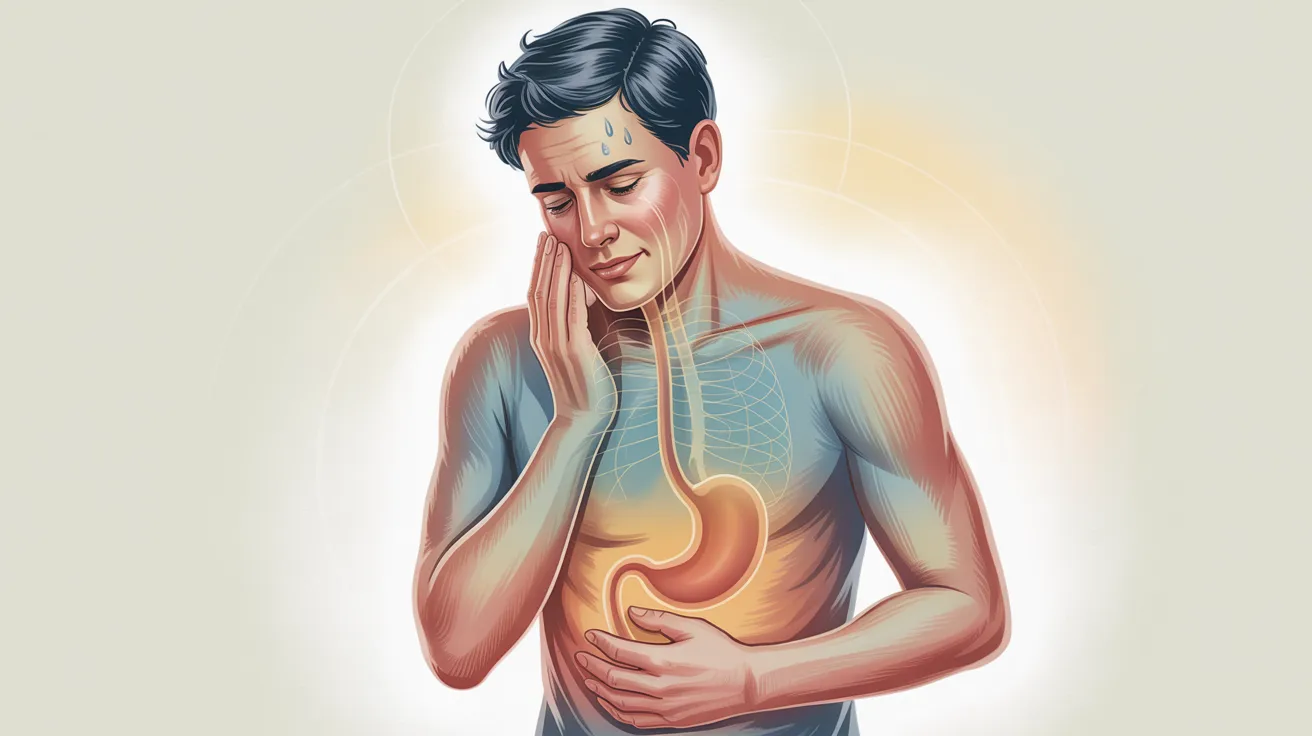
Nausea is one of those sensations that almost everyone experiences at some point—but it can be surprisingly hard to describe. People often say, “I just feel sick,” or “My stomach is off,” without fully understanding what’s happening inside their body.
This guide breaks nausea down in clear, practical terms. You’ll learn what nausea feels like, why it happens, how it shows up differently in different people, and what you can do to ease it. Think of this like a calm, reassuring veterinary or pet-care handbook—only this time, the “patient” is you.
What Is Nausea?
Nausea is a subjective sensation of discomfort or unease in the stomach, often accompanied by the feeling that you might vomit—but not always.
Key Characteristics of Nausea
- It’s a feeling, not a disease
- It may or may not lead to vomiting
- It can be mild, moderate, or severe
- It often comes with other symptoms
Nausea acts like your body’s early warning system, signaling that something—physical or emotional—needs attention.
What Does Nausea Feel Like Physically?
Nausea can feel different from person to person, but there are several common physical sensations.
Common Physical Sensations
- A rolling, churning, or queasy feeling in the stomach
- A sensation of tightness or heaviness in the abdomen
- Feeling like food is sitting uncomfortably in the stomach
- A warm or flushed feeling rising from the stomach to the chest
- An urge to gag or retch
Some people describe nausea as:
- “Like my stomach is flipping”
- “A sickly wave moving upward”
- “That moment right before throwing up”
Where Exactly Do You Feel Nausea?
While nausea is centered in the stomach, it often affects more than one area of the body.
Common Locations of Sensation
- Upper abdomen (most common)
- Chest or throat (especially when gagging)
- Back of the mouth or jaw
- Head, due to dizziness or pressure
This wide-area sensation happens because nausea involves multiple systems, including the digestive tract, nervous system, and inner ear.
Visual and Body Cues That Often Accompany Nausea
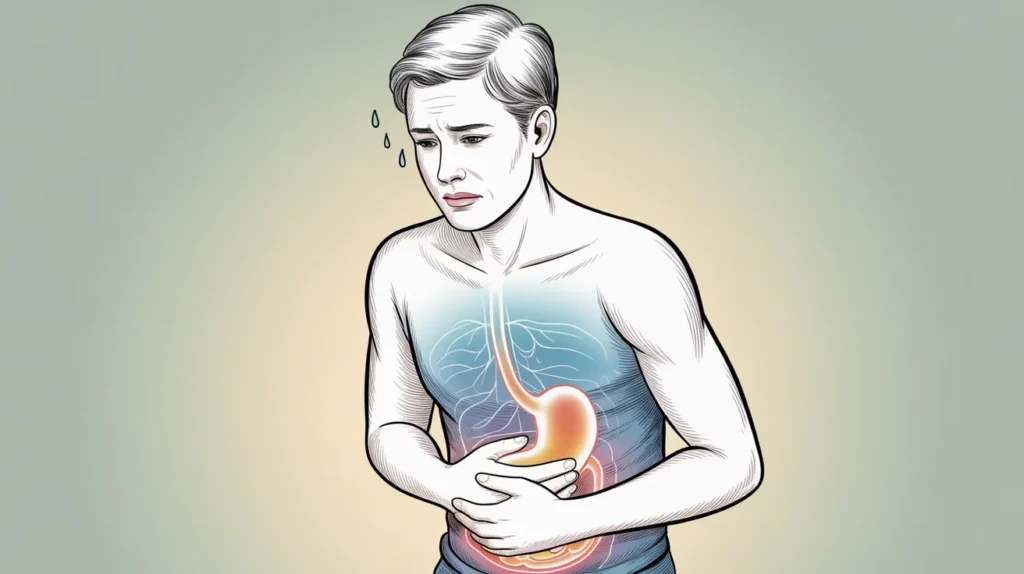
Nausea isn’t always invisible. Your body may show signs that something is wrong.
Visual and Physical Cues
- Pale or clammy skin
- Sweating (cold sweats)
- Rapid swallowing
- Increased saliva (body preparing to vomit)
- Shallow or irregular breathing
- Curling forward or holding the stomach
These cues are especially noticeable in children or people who struggle to describe how they feel.
Emotional and Mental Sensations Linked to Nausea
Nausea isn’t just physical—it often affects the mind.
Emotional Effects
- Anxiety or restlessness
- Sudden irritability
- A strong desire to lie down or be still
- Difficulty concentrating
- Feeling overwhelmed or sensitive to smells and sounds
In some cases, nausea starts in the mind, especially when stress, fear, or anticipation is involved.
Does Nausea Always Mean You’ll Vomit?
No. Vomiting is not required for nausea to exist.
Nausea vs. Vomiting
| Nausea | Vomiting |
|---|---|
| Sensation | Physical action |
| May last hours or days | Usually brief |
| Can happen alone | Often follows nausea |
| Can fade without incident | Expels stomach contents |
Many people experience prolonged nausea without ever throwing up—especially during pregnancy, anxiety, or chronic illness.
Different Types of Nausea and How They Feel
Not all nausea is the same. The cause often shapes the sensation.
Digestive-Related Nausea
Feels like:
- Heavy, bloated stomach
- Cramping or pressure
- Worse after eating
Common causes:
- Food poisoning
- Indigestion
- Acid reflux
- Gastroenteritis
Motion-Related Nausea
Feels like:
- Dizziness paired with stomach upset
- Head spinning
- Worse with movement
Common triggers:
- Car rides
- Boats
- Amusement rides
- Virtual reality screens
Pregnancy-Related Nausea
Feels like:
- Persistent queasiness
- Worse in the morning (but can occur anytime)
- Heightened sensitivity to smells
This nausea may be mild or severe and often appears without vomiting.
Anxiety-Related Nausea
Feels like:
- Tight stomach
- Fluttering or sinking feeling
- Sudden onset during stress
Often paired with:
- Rapid heartbeat
- Shallow breathing
- Sweaty palms
Illness-Related Nausea
Feels like:
- Deep, unrelenting stomach sickness
- Weakness and fatigue
- Fever or body aches
Common with:
- Flu
- Infections
- Migraines
- Inner ear disorders
How Long Does Nausea Usually Last?

Duration depends on the cause.
Typical Timeframes
- Food poisoning: Hours to 1–2 days
- Motion sickness: Minutes to hours
- Pregnancy nausea: Weeks to months
- Anxiety nausea: Minutes to several hours
- Chronic conditions: Persistent or recurring
If nausea lasts longer than a few days or worsens, medical evaluation is important.
What Makes Nausea Worse?
Certain actions and conditions can intensify nausea.
Common Worsening Factors
- Strong smells (perfume, food, smoke)
- Lying flat on your back
- Eating greasy or spicy foods
- Dehydration
- Bright lights or loud noise
- Stress or panic
Avoiding these triggers can significantly reduce discomfort.
What Helps Relieve Nausea?
Simple adjustments often provide relief.
Immediate Relief Tips
- Sit upright or recline slightly
- Take small sips of water or electrolyte drinks
- Breathe slowly through your nose
- Apply a cool cloth to your forehead
- Avoid sudden movement
Food and Drink Tips
- Eat bland foods (toast, rice, bananas)
- Avoid fatty or acidic meals
- Try ginger tea or ginger chews
- Peppermint tea may soothe the stomach
When Is Nausea a Warning Sign?
While nausea is often harmless, sometimes it signals something serious.
Seek Medical Help If Nausea Is Accompanied By:
- Severe abdominal pain
- Chest pain
- Persistent vomiting
- Blood in vomit
- High fever
- Stiff neck or confusion
- Signs of dehydration
Trust your instincts—if something feels “off,” it’s okay to ask for help.
How Nausea Feels in Children vs. Adults
Children
- May say their “tummy hurts”
- Become quiet or clingy
- Refuse food suddenly
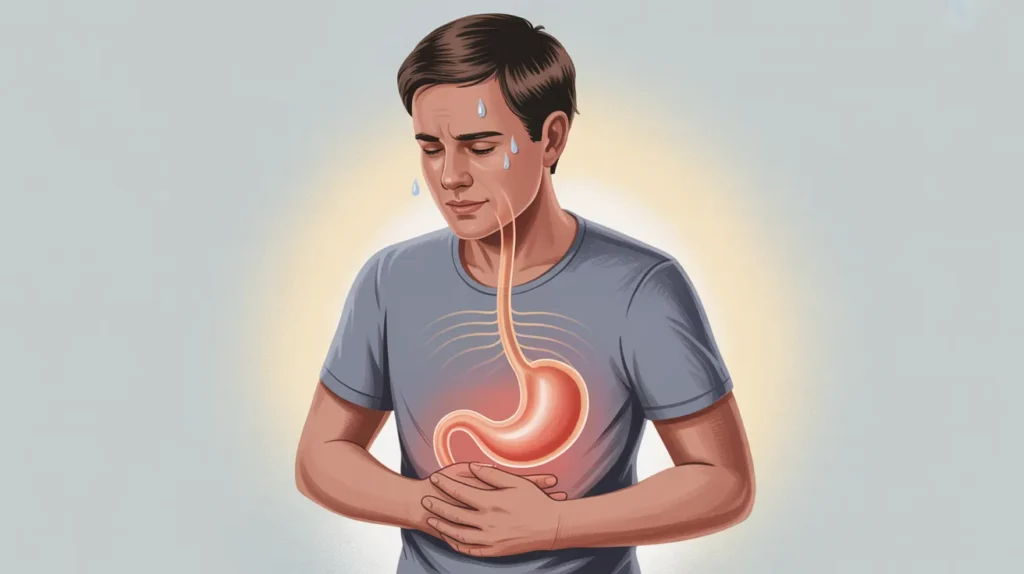
- Look pale or sweaty
Adults
- Can describe sensations more clearly
- May ignore symptoms longer
- Often associate nausea with stress or illness
Understanding these differences helps caregivers respond appropriately.
Where Nausea Can Be Found or Live
While nausea isn’t a living creature, it “lives” in certain environments, situations, and hosts where triggers are common.
Common Environments Where Nausea Occurs
- Moving vehicles (cars, boats, planes)
- Hot, poorly ventilated spaces
- Hospitals or medical settings
- Crowded areas with strong smells
Common “Hosts” of Nausea
- People with sensitive stomachs
- Pregnant individuals
- Those prone to anxiety or migraines
- Individuals with inner ear conditions
- People experiencing infections or illness
Situational Habitats
- After eating contaminated food
- During emotional stress
- During hormonal changes
- After surgery or medication use
Understanding where nausea tends to “appear” helps you prevent or manage it early.
Can You Prevent Nausea?
Not always—but you can reduce the risk.
Prevention Tips
- Eat smaller, more frequent meals
- Stay hydrated
- Manage stress proactively
- Avoid trigger foods
- Take breaks during travel
- Follow medication instructions carefully
Prevention is often about listening to your body early.
Frequently Asked Questions (FAQ)
1. Is nausea always related to the stomach?
No. Nausea can originate from the brain, inner ear, hormones, or nervous system, not just the digestive tract.
2. Can nausea happen without pain?
Yes. Many people feel nauseated without any stomach pain, especially with anxiety, pregnancy, or motion sickness.
3. Why does nausea come in waves?
Nausea often follows nerve signaling patterns, causing it to rise and fall rather than stay constant.
4. Is nausea contagious?
Nausea itself is not contagious, but illnesses that cause nausea—like stomach viruses—can be.
5. When should I worry about nausea?
If nausea is severe, persistent, or accompanied by alarming symptoms, it’s important to seek medical care.
Final Thoughts
Nausea is uncomfortable, unsettling, and sometimes confusing—but it’s also one of the body’s most important signals. Whether mild or intense, temporary or persistent, understanding what nausea feels like helps you respond calmly and appropriately.
By recognizing the sensations, triggers, and relief strategies, you can take better care of yourself—or others—when nausea shows up.