

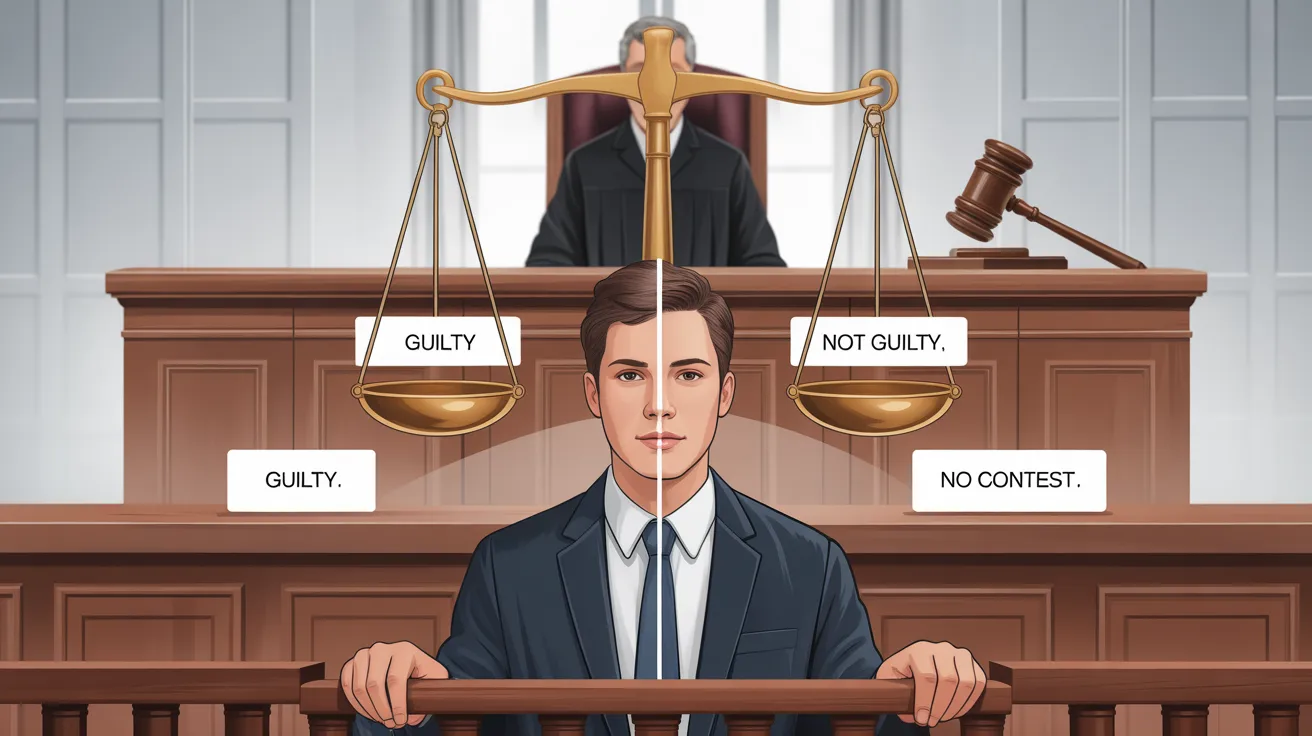
When watching courtroom dramas or reading legal news, you may come across the phrase “no contest” and wonder what it really means. Is it the same as pleading guilty? Is it a way to avoid punishment? Or is it just a technical legal shortcut?
A no contest plea, also known as nolo contendere, is one of the most misunderstood terms in the legal system. While it may sound like someone is refusing to fight a charge, its meaning—and consequences—are much more nuanced.
This guide explains what “no contest” means in court, how it works, when it’s used, and what it means for defendants, victims, and the justice system as a whole. Whether you’re a curious reader, a student, or someone facing legal questions, this article breaks the topic down in a clear, approachable way.
Understanding Court Pleas: The Big Picture
Before diving into “no contest,” it helps to understand how pleas work in general.
When someone is charged with a crime, the court usually asks them to enter a plea. A plea is the defendant’s formal response to the charges.
Common Types of Pleas
Most criminal courts recognize three main pleas:
- Guilty
- Not guilty
- No contest (nolo contendere)
Each plea carries different legal meanings, risks, and consequences.
Think of pleas like different treatment plans in a medical guide—each option leads to a different path, and the right choice depends on the situation.
What Does “No Contest” Mean in Court?
A no contest plea means that the defendant does not admit guilt, but also does not dispute the charge.
In plain language:
- The defendant is saying, “I’m not saying I did it, but I’m not fighting it either.”
Key Definition
No contest (nolo contendere) is a legal plea in which a defendant accepts conviction and punishment without admitting guilt.
The court treats a no contest plea almost the same as a guilty plea for criminal sentencing purposes.
What “No Contest” Does—and Does Not—Mean
Understanding what a no contest plea actually does is crucial.
What It Means
- The defendant accepts the court’s judgment
- The case does not go to trial
- Sentencing proceeds as if the defendant were guilty
- The criminal record reflects a conviction
What It Does Not Mean
- It is not a declaration of innocence
- It is not an admission of guilt
- It does not mean the charges disappear
- It does not guarantee lighter punishment
The Latin Roots: What Is “Nolo Contendere”?
The phrase nolo contendere comes from Latin and means:
“I do not wish to contend.”
This phrase has been used in legal systems for centuries, especially in common-law courts. Over time, it became shortened to “no contest” in everyday language.
How a No Contest Plea Works Step by Step
Here’s how the process typically unfolds in court:
- Charges are filed
- Defendant is arraigned
- Defendant enters a plea
- Judge evaluates the plea
- Court accepts or rejects the plea
- Sentencing occurs
If the judge accepts a no contest plea, the case moves directly to sentencing—just like a guilty plea.
Why Would Someone Plead No Contest?
At first glance, pleading no contest may seem confusing. Why not just plead guilty or not guilty?
There are several strategic reasons.
Common Reasons for a No Contest Plea
- To avoid admitting guilt in civil court
- To resolve the case quickly
- To limit public statements of wrongdoing
- To reduce emotional stress
- To follow legal advice from an attorney
In many cases, the decision is about risk management, not innocence or guilt.
No Contest vs Guilty: What’s the Difference?
This is one of the most frequently asked questions.
In Criminal Court
In criminal court:
- No contest = guilty for sentencing purposes
- The judge can impose the same penalties
Outside Criminal Court
Here’s where the difference matters most:
| Aspect | Guilty Plea | No Contest Plea |
|---|---|---|
| Admission of guilt | Yes | No |
| Criminal conviction | Yes | Yes |
| Used in civil court | Often | Usually limited |
| Sentencing impact | Same | Same |
No Contest and Civil Lawsuits
One of the biggest reasons defendants choose a no contest plea is civil liability.
Why It Matters
If someone pleads guilty to a criminal charge, that admission can often be used against them in a related civil lawsuit.
Examples:
- Car accidents
- Assault cases
- Professional negligence claims
A no contest plea may help:
- Reduce exposure in civil court
- Prevent automatic admission of fault
- Limit financial damages
Examples of No Contest Pleas in Real Life
Example 1: Traffic Accident
A driver is charged with reckless driving after an accident.
- Guilty plea → admission can be used in civil court
- No contest plea → conviction without admission
Example 2: Minor Criminal Offense
Someone charged with a misdemeanor theft may plead no contest to:
- Avoid trial
- Accept probation
- Move on without admitting guilt
Example 3: Professional Licensing Cases
Doctors, teachers, or business owners may plead no contest to:
- Protect professional reputation
- Avoid formal admissions of wrongdoing
Is No Contest Allowed Everywhere?
Not always.
Jurisdiction Matters
- Some states allow no contest pleas freely
- Others restrict them
- Federal courts allow them only with judicial approval
Judges often have discretion to:
- Accept the plea
- Reject the plea
- Require justification
What Happens After a No Contest Plea?
Once the plea is accepted:
Possible Outcomes
- Fines
- Probation
- Community service
- Jail or prison time
- Mandatory programs (anger management, DUI classes)
From the court’s perspective, sentencing is identical to a guilty plea.
Does a No Contest Plea Appear on Your Record?
Yes.
A no contest plea results in a criminal conviction.
Record Impacts
- Appears on background checks
- May affect employment
- May affect immigration status
- May affect housing applications
This is one of the most misunderstood aspects of no contest pleas.
Can You Change a No Contest Plea?
Sometimes, but it’s difficult.
Factors That Matter
- Whether sentencing has occurred
- Whether legal errors were made
- Whether the plea was voluntary
Courts generally treat plea changes seriously and cautiously.
Common Myths About No Contest Pleas
Let’s clear up some misconceptions.
Myth 1: “No contest means the case goes away”
❌ False — sentencing still occurs
Myth 2: “No contest keeps your record clean”
❌ False — it’s still a conviction
Myth 3: “No contest means you’re innocent”
❌ False — it’s legally neutral, not exonerating
Symptoms and Warning Signs That a No Contest Plea May Be Misunderstood
Like symptoms in a medical guide, there are warning signs that someone may not fully understand this plea.
Red Flags
- Believing it avoids punishment
- Thinking it erases the charge
- Assuming it won’t affect employment
- Entering the plea without legal counsel
Visual Cues to Understand No Contest
Think of a no contest plea like:
- Checking “neither agree nor disagree” on a legal form
- Accepting a penalty without arguing the facts
- Standing silent while the court proceeds
These mental images help clarify its function.
Where “No Contest” Can Be Found or Live
Although “no contest” is not a living creature, it does exist in specific legal environments.
Places Where No Contest Pleas Are Found
- Criminal courtrooms
- Traffic courts
- Plea bargain negotiations
- Arraignment hearings
- Sentencing proceedings
Legal “Habitats”
- State court systems
- Federal courts (with permission)
- Cases involving civil liability risks
- High-profile or professional misconduct cases
Practical Tips Before Entering a No Contest Plea
If you or someone you know is considering this plea, keep these tips in mind.
Smart Precautions
- Always consult a qualified attorney
- Ask how it affects civil liability
- Understand long-term record consequences
- Confirm whether the judge allows it
- Get all plea terms in writing
Is a No Contest Plea Right for Everyone?
No.
A no contest plea may be useful in certain situations, but it’s not a universal solution.
Situations Where It May Help
- Cases with potential civil lawsuits
- Minor offenses
- When evidence is strong
- When closure is desired quickly
Situations Where It May Not Help
- When innocence can be proven
- When avoiding a record is critical
- When penalties are severe
Frequently Asked Questions (FAQ)
1. Is no contest the same as pleading guilty?
No. While both result in conviction and sentencing, a no contest plea does not include an admission of guilt.
2. Can a no contest plea be used against me in civil court?
Often, no. This is one of the main reasons defendants choose this plea, though laws vary by jurisdiction.
3. Does a no contest plea show up on a background check?
Yes. It results in a criminal conviction and typically appears on background checks.
4. Can a judge reject a no contest plea?
Yes. Judges have discretion and may require justification before accepting it.
Final Thoughts: Understanding “No Contest” Clearly
A no contest plea is a powerful legal tool—but also a risky one if misunderstood. It allows a defendant to accept punishment without formally admitting guilt, often to limit civil liability or emotional strain.
However, it still leads to conviction, sentencing, and long-term consequences. Like any serious decision, it should be approached carefully, thoughtfully, and with professional guidance.
Understanding what “no contest” truly means can help you navigate the legal system with clarity and confidence.