

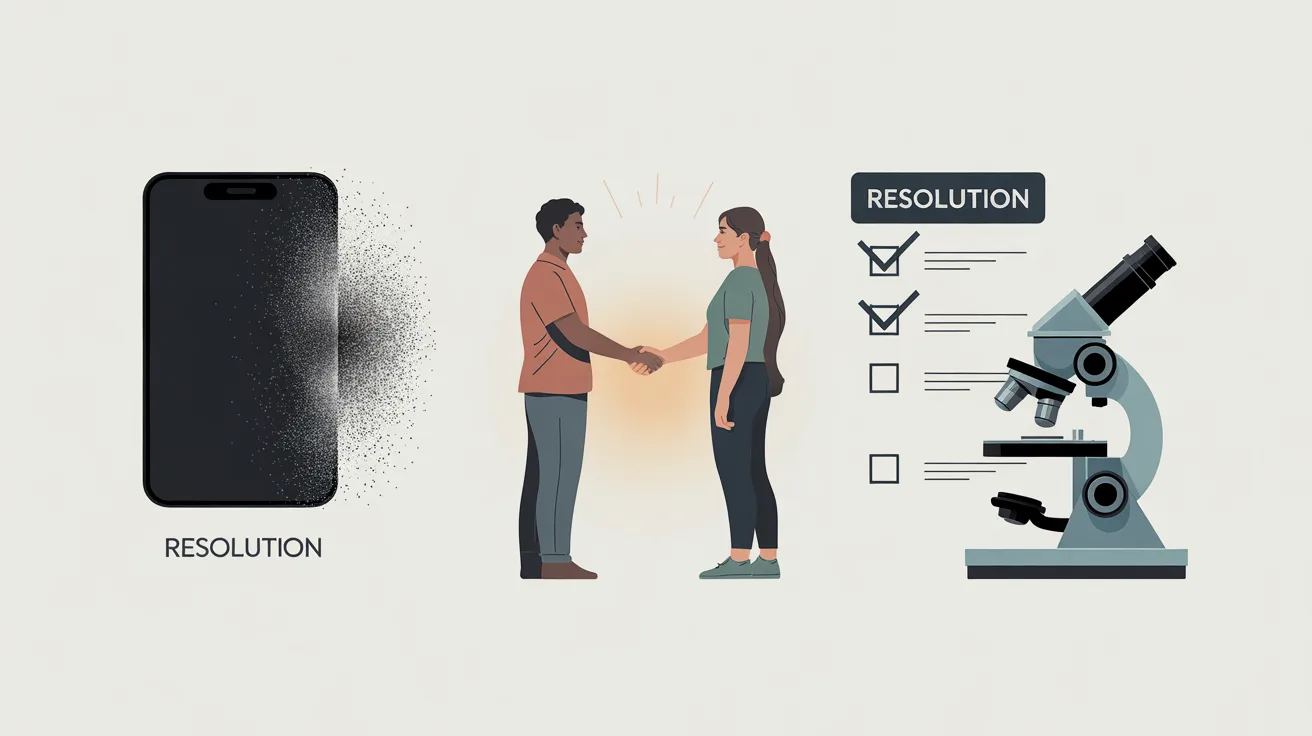
The word “resolution” shows up everywhere—on TV boxes, in office meetings, during arguments, and every January when people vow to improve their lives. But despite how often we hear it, resolution can mean very different things depending on context.
So what does resolution mean?
In simple terms, resolution is about clarity, decision, or conclusion. It describes how clearly something is defined, how firmly a choice is made, or how completely a problem is settled.
This guide breaks down every major meaning of resolution, explains how it works in real life, and helps you recognize it in action—whether you’re talking about screens, emotions, conflicts, or goals.
Think of this article as a care manual for understanding resolution, with clear signs, examples, and practical advice.
Understanding the Core Meaning of Resolution
The Basic Definition
Resolution generally means:
The act or process of resolving something—bringing it to clarity, decision, or closure.
Depending on the situation, resolution can involve:
- Improving clarity
- Reaching a decision
- Ending a conflict
- Making a firm commitment
- Increasing detail or sharpness
The Different Types of Resolution (Context Matters)
Just like a symptom can mean different things in different species, resolution changes meaning depending on its environment.
1. Resolution as Clarity or Detail
This is the most common technical use.
Resolution refers to how much detail something contains or displays.
Examples:
- Screen resolution (1080p, 4K)
- Image resolution (pixels per inch)
- Audio resolution (clarity of sound)
Higher resolution = more detail
Lower resolution = less detail
2. Resolution as a Decision or Determination
In personal or professional settings, resolution means:
A firm decision or commitment to act
Examples:
- A New Year’s resolution
- A board’s resolution
- A personal resolution to change a habit
This type of resolution is about intent and follow-through, not visuals.
3. Resolution as Conflict Closure
In storytelling, relationships, or disputes, resolution means:
The point where tension ends and things are settled
Examples:
- The resolution of a movie
- Conflict resolution in the workplace
- Resolving an argument with a friend
4. Resolution in Science and Measurement
In scientific contexts, resolution describes:
The smallest change that can be detected or measured
Examples:
- Microscope resolution
- Sensor resolution
- Medical imaging resolution
Resolution in Everyday Life: Practical Examples
Resolution in Technology
You encounter resolution constantly, even if you don’t notice.
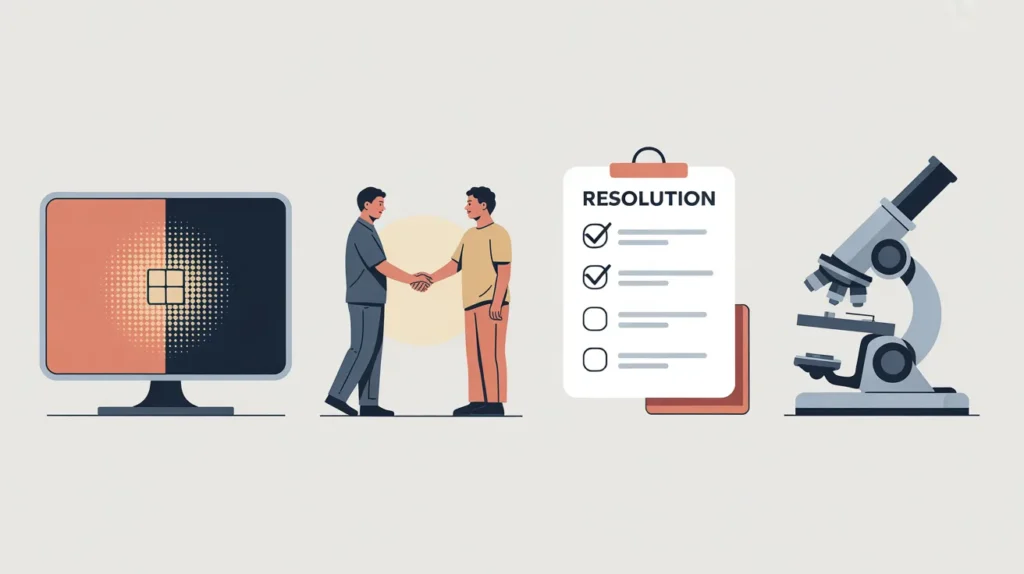
Screen Resolution
Screen resolution is measured in pixels.
Common examples:
- 1280 × 720 (HD)
- 1920 × 1080 (Full HD)
- 3840 × 2160 (4K)
Signs of high resolution:
- Sharp text
- Clear images
- Smooth edges
Signs of low resolution:
- Blurry visuals
- Pixelated images
- Jagged lines
Resolution in Photography and Images
Image resolution determines how clear a photo appears, especially when printed.
Visual cues of good image resolution:
- Fine details remain visible when zoomed
- Smooth color transitions
- No graininess
Symptoms of poor resolution:
- Blurring
- Loss of detail
- Distorted shapes
Resolution in Audio
Audio resolution affects how accurately sound is reproduced.
High-resolution audio:
- Clear vocals
- Distinct instruments
- Less distortion
Low-resolution audio:
- Muffled sound
- Compression artifacts
- Loss of subtle details
Resolution in Human Behavior and Psychology
Personal Resolution (Commitment)
A personal resolution is a firm internal decision to change or maintain a behavior.
Examples:
- Quitting smoking
- Exercising regularly
- Improving communication
Signs of a Strong Resolution
- Clear goal
- Realistic steps
- Consistent action
Symptoms of a Weak Resolution
- Vague intentions
- No plan
- Quick abandonment
Emotional Resolution
Emotional resolution happens when feelings are processed and settled, not avoided.
Signs include:
- Reduced emotional tension
- Acceptance
- Mental clarity
Lack of emotional resolution may show up as:
- Lingering resentment
- Repeated arguments
- Emotional fatigue
Resolution in Conflict and Relationships
What Conflict Resolution Really Means
Conflict resolution does not always mean agreement.
Instead, it means:
- Understanding perspectives
- Reducing tension
- Establishing boundaries
- Finding workable outcomes
Healthy Conflict Resolution Signs
- Calm communication
- Mutual respect
- Clear outcomes
Poor Conflict Resolution Symptoms
- Avoidance
- Repeated arguments
- Passive aggression
Resolution in Storytelling
In stories, resolution is the final stage.
It answers:
- What happened after the climax?
- How did the conflict end?
- What changed?
Without resolution, stories feel:
- Incomplete
- Frustrating
- Unsettled
Resolution in Law, Government, and Organizations
Legal and Official Resolutions
A resolution in formal settings is an official decision or statement.
Examples:
- United Nations resolutions
- Corporate resolutions
- City council resolutions
These:
- Express intent
- Guide action
- Establish policy
Signs of an Effective Resolution
- Clear language
- Defined scope
- Enforceable steps
Resolution in Science and Medicine
Scientific Resolution
In scientific instruments, resolution measures how precisely something can be distinguished.
Examples:
- Two stars seen separately through a telescope
- Two cells distinguished under a microscope
Higher resolution allows:
- More accurate diagnosis
- Better analysis
- Clearer conclusions
Practical Tips: Improving Resolution in Different Areas
Improving Visual Resolution
- Use higher-quality displays
- Choose correct image formats
- Avoid excessive compression
Improving Personal Resolution
- Be specific with goals
- Write resolutions down
- Track progress weekly
Improving Conflict Resolution
- Listen actively
- Focus on issues, not personalities
- Aim for solutions, not blame
Common Misunderstandings About Resolution
“Resolution Means the Same Thing Everywhere”
❌ False
Resolution changes meaning based on context.
“Higher Resolution Always Means Better”
❌ Not always
High resolution may be unnecessary if the medium doesn’t support it.
“Making a Resolution Guarantees Change”
❌ False
Action and consistency matter more than intent.
Where Resolution Can Be Found or Live
Unlike animals or organisms, resolution doesn’t live in a single place—but it thrives in specific environments.
Resolution Can Be Found In:
- Digital environments
- Screens
- Cameras
- Audio systems
- Human systems
- Minds (decisions)
- Relationships
- Teams and organizations
- Narrative environments
- Books
- Movies
- Oral storytelling
- Institutional settings
- Courts
- Governments
- Corporations
- Scientific tools
- Microscopes
- Sensors
- Imaging systems
Resolution “lives” wherever clarity, closure, or decision-making is required.
Visual Cues That Indicate Resolution
Depending on context, resolution may look like:
- Sharper images
- Clearer sound
- Calm body language
- Final scenes in stories
- Written agreements
- Reduced emotional tension
When Resolution Is Missing
Lack of resolution can cause:
- Confusion
- Frustration
- Ongoing conflict
- Poor performance
- Emotional stress
Recognizing unresolved situations early helps prevent long-term problems.
Summary: What Resolution Really Means
At its core, resolution is about bringing things into focus—visually, emotionally, or logically.
It may mean:
- Sharpening detail
- Making a firm decision
- Ending a conflict
- Clarifying an outcome
Understanding resolution helps you:
- Choose better technology
- Communicate more clearly
- Resolve conflicts faster
- Make stronger commitments
Frequently Asked Questions (FAQ)
1. What does resolution mean in simple terms?
Resolution means clarity, decision, or closure, depending on the situation.
2. Is resolution always about screens?
No. Resolution can describe decisions, conflicts, stories, emotions, and measurements, not just visuals.
3. Why is resolution important?
Resolution prevents confusion, improves clarity, and allows progress—whether in technology or personal life.
4. What’s the difference between decision and resolution?
A decision is a choice. A resolution includes commitment and follow-through.