

A Detailed, Friendly Guide to the Brain’s “Timekeeper”
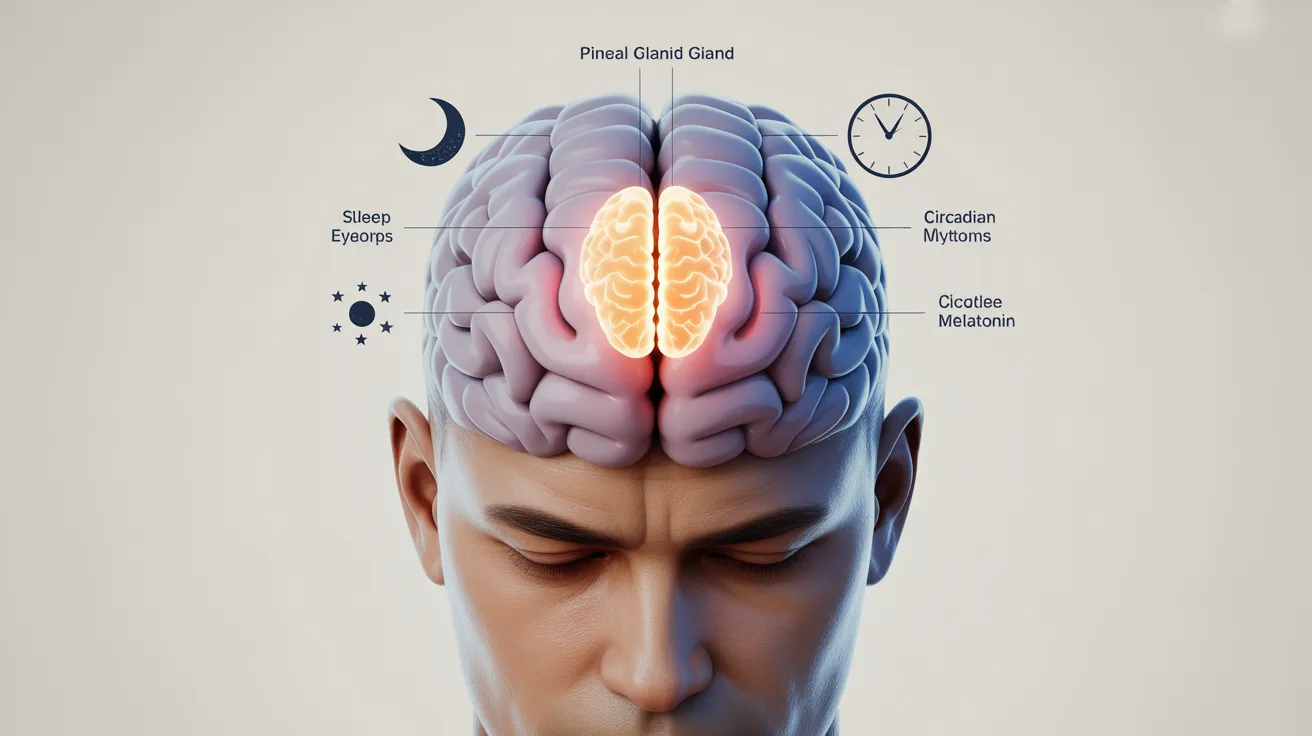
The pineal gland is small—about the size of a grain of rice—but its influence on your body is surprisingly big. Tucked deep inside the brain, this tiny endocrine gland plays a central role in regulating sleep, daily rhythms, and even seasonal biological changes. Because it works quietly and behind the scenes, many people don’t think about the pineal gland until something goes wrong.
In this in-depth guide, we’ll explore what the pineal gland does, how it works, what happens when it malfunctions, and how you can support its healthy function. The tone here is intentionally friendly and practical, similar to a veterinary or pet-care guide—clear, reassuring, and focused on helping you understand signs, symptoms, and everyday care tips.
Overview: The Pineal Gland at a Glance
Before diving deep, here’s a quick snapshot.
The pineal gland:
- Is a pea-sized endocrine gland in the center of the brain
- Produces the hormone melatonin
- Helps regulate sleep–wake cycles (circadian rhythms)
- Responds directly to light and darkness
- Influences mood, puberty timing, and seasonal rhythms
Think of the pineal gland as your body’s internal clock manager.
What Is the Pineal Gland?
The pineal gland is part of the endocrine system, which is responsible for producing and releasing hormones directly into the bloodstream.
Basic Characteristics
- Shape: Small, cone- or pinecone-shaped (hence the name “pineal”)
- Size: Roughly 5–8 millimeters long
- Weight: About 0.1–0.2 grams
- Color: Grayish-reddish due to rich blood supply
Despite its size, the pineal gland has a powerful regulatory effect on the body’s daily biological rhythms.
Where the Pineal Gland Is Located in the Body
Where the Pineal Gland Can Be Found or Live
Although the phrase “found or live” usually applies to animals or organisms, in this case it refers to where the pineal gland is located within the human body.
The pineal gland is found:
- Deep in the center of the brain
- Between the two hemispheres
- In a groove where the two halves of the thalamus join
- Above the third ventricle
Visual Cue (Anatomy Description)
If you imagine the brain sliced down the middle:
- The pineal gland appears as a small dot near the center
- It sits behind the eyes, but much deeper
- It is surrounded by important brain structures involved in sensory processing
Because of its protected location, the pineal gland is rarely injured directly—but it can be affected by pressure, tumors, or hormonal disruptions.
The Primary Function of the Pineal Gland
Melatonin Production: The Core Job
The pineal gland’s main responsibility is producing melatonin, a hormone that regulates sleep and circadian rhythms.
Melatonin:
- Signals to your body that it’s time to sleep
- Is released mostly at night
- Is suppressed by light exposure, especially blue light
When melatonin levels rise, you feel:
- Sleepy
- Calm
- Less alert
When levels drop, you feel:
- Awake
- Alert
- Ready for daytime activity
How the Pineal Gland Controls Sleep
The Light–Dark Communication Pathway
The pineal gland does not “see” light directly. Instead, it receives information through a complex pathway:
- Light enters the eyes
- Signals travel from the retina to the suprachiasmatic nucleus (SCN) in the hypothalamus
- The SCN sends signals to the pineal gland
- The pineal gland adjusts melatonin release
Practical Example
- Bright morning sunlight: Melatonin production stops → You wake up
- Dark evening environment: Melatonin rises → You feel sleepy
This system keeps your sleep schedule aligned with the natural day–night cycle.
Circadian Rhythms: Your Internal Clock
What Are Circadian Rhythms?
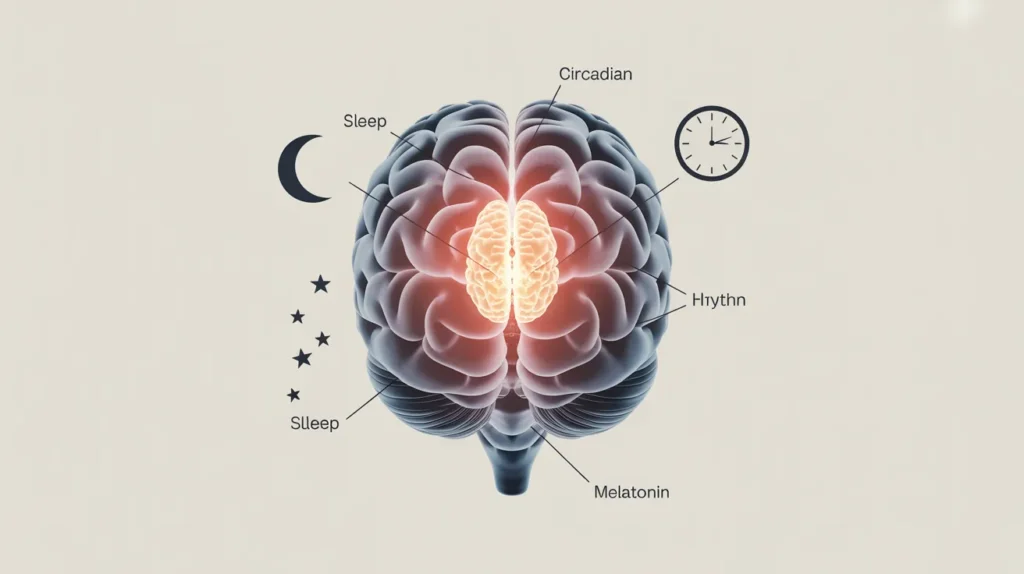
Circadian rhythms are 24-hour cycles that regulate many bodily functions, including:
- Sleep and wakefulness
- Body temperature
- Hormone release
- Digestion
- Alertness
The pineal gland plays a central role by synchronizing these rhythms with environmental light.
Signs of a Disrupted Circadian Rhythm
- Difficulty falling asleep
- Waking up too early
- Daytime fatigue
- Brain fog
- Mood changes
The Pineal Gland and Seasonal Changes
Seasonal Affective Patterns
Because melatonin production depends on darkness, the pineal gland also responds to seasonal changes in daylight.
In winter:
- Nights are longer
- Melatonin production increases
- Some people feel more tired or low in mood
In summer:
- Longer days reduce melatonin
- Energy and alertness often increase
This seasonal sensitivity explains why the pineal gland is linked to Seasonal Affective Disorder (SAD).
Role in Puberty and Reproductive Hormones
Pineal Gland and Development
The pineal gland influences the timing of puberty by interacting with reproductive hormones.
- High melatonin levels in childhood help delay puberty
- As melatonin production changes, puberty begins
If pineal function is disrupted:
- Puberty may start earlier or later than normal
- Hormonal balance may be affected
Pineal Gland and Mood Regulation
Connection to Mental Well-Being
Melatonin doesn’t just affect sleep—it also influences mood and emotional regulation.
Imbalances may contribute to:
- Depression
- Anxiety
- Irritability
- Low stress tolerance
Good sleep supported by healthy pineal function is one of the strongest foundations for emotional health.
Common Pineal Gland Disorders
Although rare, problems involving the pineal gland can occur.
Pineal Cysts
- Fluid-filled sacs in the pineal gland
- Often found incidentally on MRI
- Usually harmless
Possible symptoms (if large):
- Headaches
- Vision problems
- Sleep disturbances
Pineal Tumors
- Very rare
- Can interfere with hormone release or fluid flow
Warning signs may include:
- Persistent headaches
- Nausea or vomiting
- Difficulty with eye movement
Always consult a medical professional if these symptoms appear.
Symptoms of Pineal Gland Dysfunction
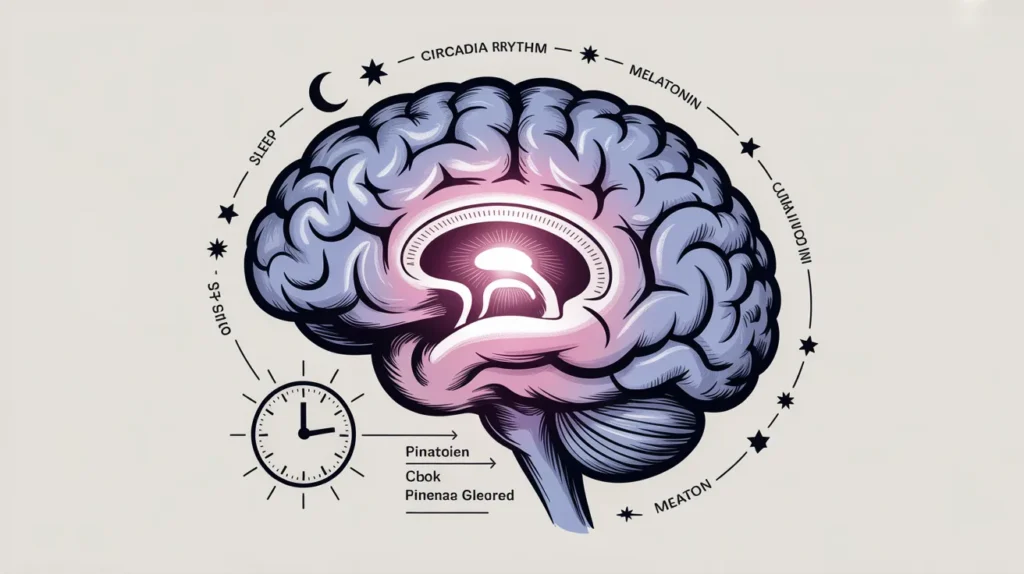
When the pineal gland isn’t working properly, symptoms often appear gradually.
Common Symptoms
- Insomnia or excessive sleepiness
- Irregular sleep schedule
- Fatigue despite enough sleep
- Mood swings
- Difficulty concentrating
Visual and Behavioral Cues
- Dark circles under the eyes
- Yawning frequently during the day
- Increased alertness late at night
- Trouble waking up in the morning
Factors That Affect Pineal Gland Health
Light Exposure
- Excessive screen time at night suppresses melatonin
- Blue light is especially disruptive
Age
- Melatonin production declines with age
- Older adults often experience lighter, shorter sleep
Lifestyle Habits
- Irregular sleep schedules
- Shift work
- Chronic stress
Practical Tips to Support a Healthy Pineal Gland
Create a Sleep-Friendly Environment
- Keep bedrooms dark and quiet
- Use blackout curtains
- Avoid bright lights at night
Limit Blue Light Exposure
- Reduce screen use 1–2 hours before bed
- Use blue light filters or glasses
Maintain a Consistent Sleep Schedule
- Go to bed and wake up at the same time daily
- Even on weekends
Support Natural Melatonin Production
- Get sunlight exposure in the morning
- Eat balanced meals
- Manage stress
Diet and the Pineal Gland
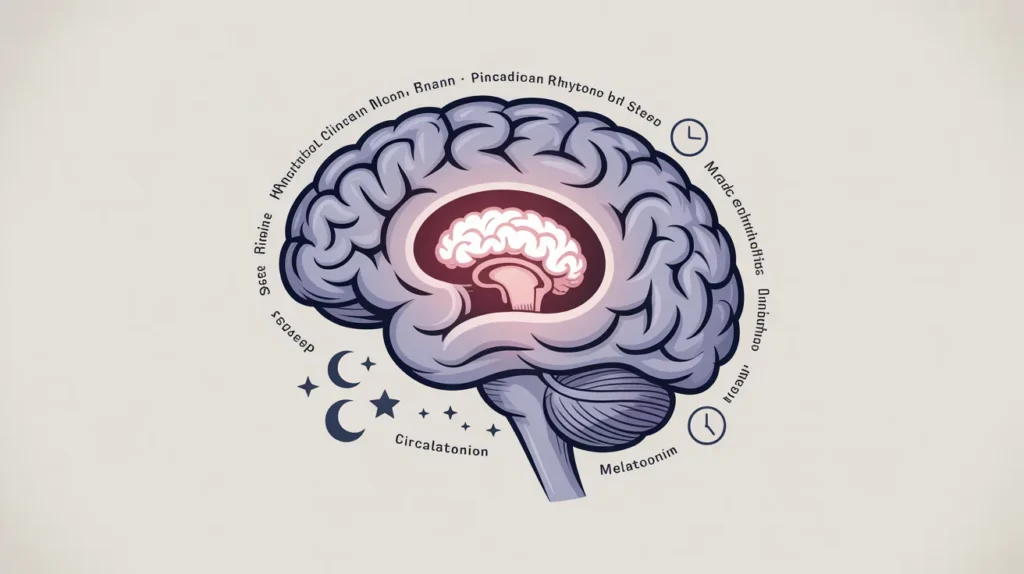
Certain nutrients support melatonin production.
Helpful Nutrients
- Magnesium
- Vitamin B6
- Tryptophan (amino acid)
Foods That Help
- Nuts and seeds
- Bananas
- Oats
- Cherries
Myths and Misunderstandings About the Pineal Gland
“The Pineal Gland Is the ‘Third Eye’”
This idea comes from spiritual traditions. While interesting culturally, scientifically the pineal gland is a hormone-secreting organ, not a visual or mystical eye.
“The Pineal Gland Can Be Fully Decalcified”
Calcification occurs naturally with age. There is no proven method to completely reverse it, though healthy habits may support function.
When to Seek Medical Advice
You should consult a healthcare professional if you experience:
- Chronic insomnia
- Severe daytime fatigue
- Persistent headaches
- Sudden changes in sleep patterns
Early evaluation can rule out pineal-related issues or other conditions.
Frequently Asked Questions (FAQ)
1. What does the pineal gland do in simple terms?
The pineal gland produces melatonin, a hormone that tells your body when it’s time to sleep and wake up.
2. Can the pineal gland affect mental health?
Yes. By regulating sleep and circadian rhythms, the pineal gland indirectly affects mood, stress levels, and emotional balance.
3. Is it possible to improve pineal gland function naturally?
Healthy sleep habits, reduced nighttime light exposure, good nutrition, and stress management all support optimal pineal gland function.
4. Does everyone have a pineal gland?
Yes. Every human has a pineal gland, and it begins functioning early in life.
Final Thoughts
The pineal gland may be small, but it plays a big role in your daily well-being. By managing sleep, biological rhythms, and hormone timing, it acts as a quiet conductor for many essential body functions. Understanding what the pineal gland does empowers you to make smarter lifestyle choices—especially around sleep, light exposure, and daily routines.
Supporting this tiny gland can lead to better sleep, improved mood, and healthier energy levels, making it well worth your attention.