
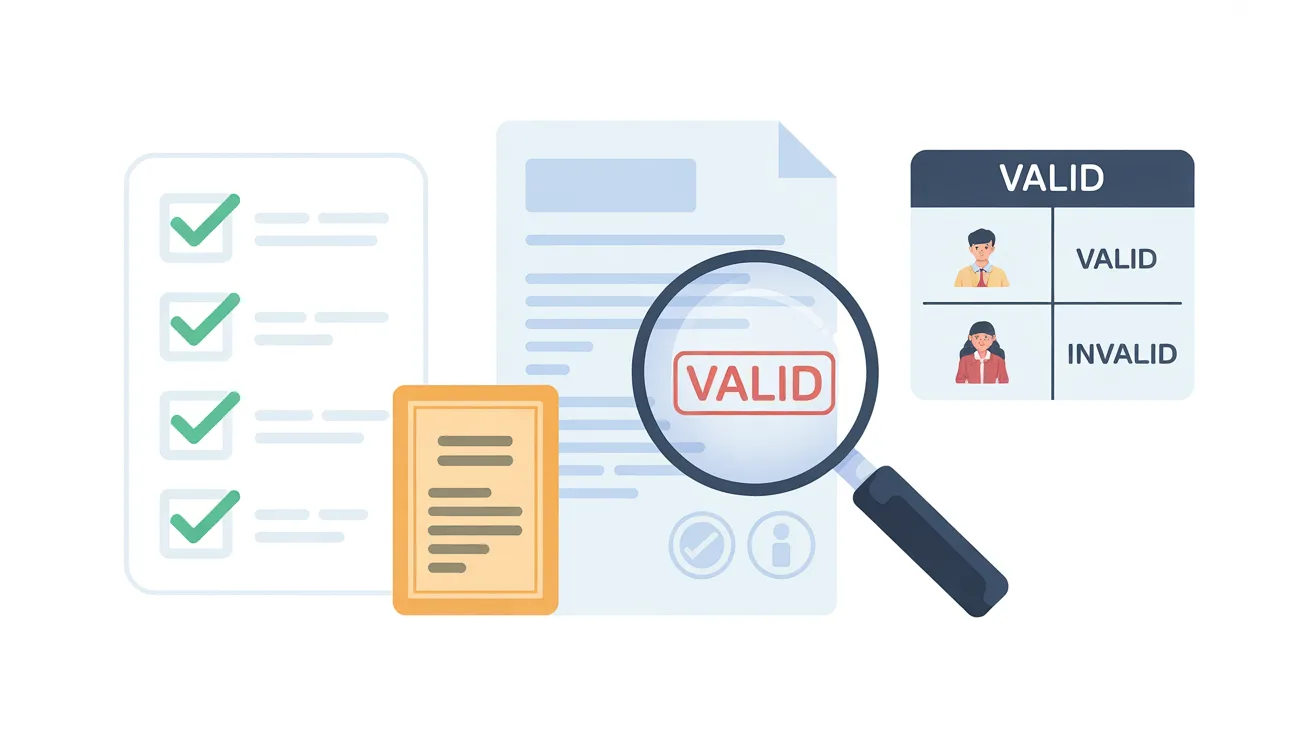
A Friendly, Practical Guide to Understanding Validity in Everyday Life
The word “valid” shows up everywhere—on documents, arguments, feelings, tickets, contracts, tests, opinions, and even emotions. We’re often told something is valid or isn’t valid, but rarely does anyone slow down to explain what that actually means.
Think of valid the same way you’d think about a healthy pet. A veterinarian doesn’t just glance at an animal and declare it healthy. They check symptoms, look at behavior, confirm conditions, and make sure everything meets certain standards. Validity works the same way—it’s about meeting the right requirements in the right context.
In this guide, we’ll gently examine what “valid” means, how to recognize it, where it appears, and how to tell when something might look valid but actually isn’t.
What Does “Valid” Mean?
At its core, valid means:
Legally, logically, or factually acceptable and sound.
If something is valid, it:
- Meets established rules or criteria
- Can be trusted or relied upon
- Holds up under reasonable examination
Just like a medical diagnosis, validity depends on context. A treatment valid for one animal might be unsafe for another. Similarly, what’s valid in one situation may be invalid in another.
The Core Characteristics of Something Valid
To understand validity, look for these core “vital signs”:
1. It Meets Required Standards
Something valid follows the rules that apply to it.
Examples:
- A valid passport meets government requirements
- A valid argument follows logical rules
- A valid prescription is issued by a licensed professional
2. It Works as Intended
Validity isn’t just paperwork—it’s function.
Examples:
- A valid key unlocks the door
- A valid ticket grants entry
- A valid method produces accurate results
3. It Can Be Verified
Like lab results, validity can usually be checked.
Verification might include:
- Official records
- Trusted authorities
- Evidence or documentation
Common Uses of the Word “Valid”
The meaning of “valid” shifts slightly depending on where it’s used. Let’s break it down by environment.
Valid in Everyday Language
In daily conversation, valid often means reasonable or acceptable.
Examples:
- “That’s a valid point.”
- “Your concern is valid.”
- “That’s a valid reason to be upset.”
Here, validity is less about rules and more about recognition and fairness.
Valid in Legal and Official Contexts
In legal settings, valid means legally binding and enforceable.
Examples:
- A valid contract
- A valid ID
- A valid will
If even one requirement is missing—like a signature or proper authority—the item may become invalid, just like a medical test done incorrectly.
Valid in Logic and Reasoning
In logic, valid has a very specific meaning.
A valid argument:
- Follows correct logical structure
- Has conclusions that follow from premises
Important note:
- A valid argument can still be wrong if its premises are false
- Validity ≠ truth (just like correct dosage ≠ correct diagnosis)
Valid in Science and Research
In research, validity measures accuracy and reliability.
Types include:
- Internal validity – Were variables controlled properly?
- External validity – Do results apply to real-world conditions?
A study with poor validity is like a faulty thermometer—it gives numbers, but you can’t trust them.
Valid in Technology and Data
In tech, validity means data or input meets expected format or rules.
Examples:
- A valid email address
- A valid password
- Valid code syntax
Invalid data behaves like contaminated samples—it causes errors and unreliable outcomes.
Examples of “Valid” in Real Life
Let’s look at practical, relatable scenarios.
Example 1: Valid ID
A valid ID:
- Is issued by an authority
- Has not expired
- Matches the person presenting it
Expired ID = invalid, even if it looks official.
Example 2: Valid Excuse
A valid excuse typically:
- Has a reasonable explanation
- Fits the situation
- Is believable and consistent
Just like symptoms, context matters.
Example 3: Valid Feelings
In emotional language, valid means:
- Your feelings make sense
- They deserve acknowledgment
This does not mean all actions are justified—only that the emotional response is real.
Symptoms of Something That Is NOT Valid
Just like illness has warning signs, invalidity does too.
Common Red Flags 🚩
- Missing required information
- Expired dates
- Lack of authorization
- Contradictory details
- Failure under testing or verification
If something feels “off,” it’s worth checking validity more closely.
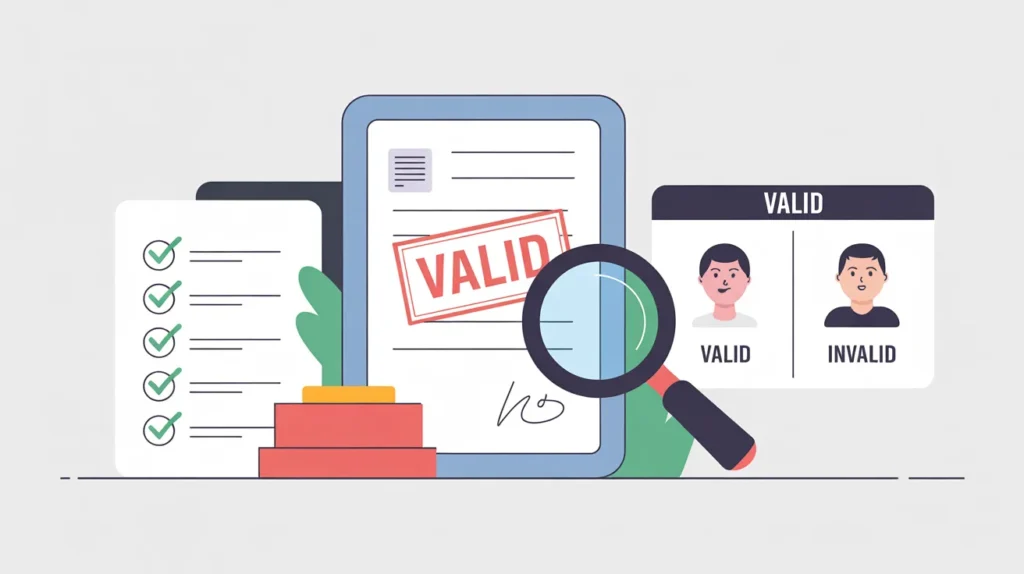
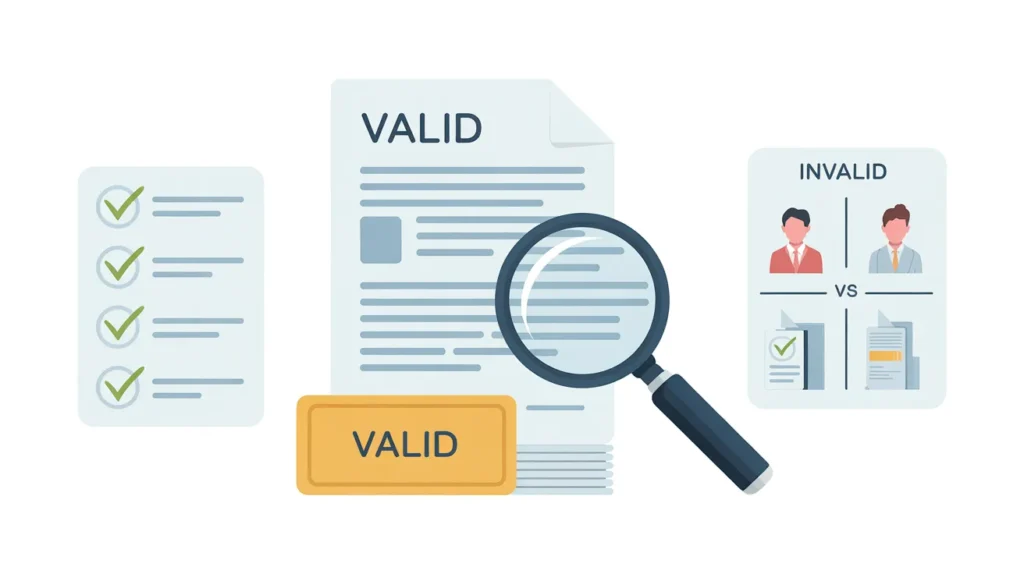
Visual Cues That Suggest Validity or Invalidity
While “valid” is abstract, there are still observable signs.
Visual Cues of Validity
- Official seals or stamps
- Clear formatting
- Consistent information
- Professional presentation
Visual Cues of Invalidity
- Typos on official documents
- Altered dates or numbers
- Mismatched names or photos
- Unofficial logos
Think of these like visible symptoms that prompt closer examination.
How to Check If Something Is Valid
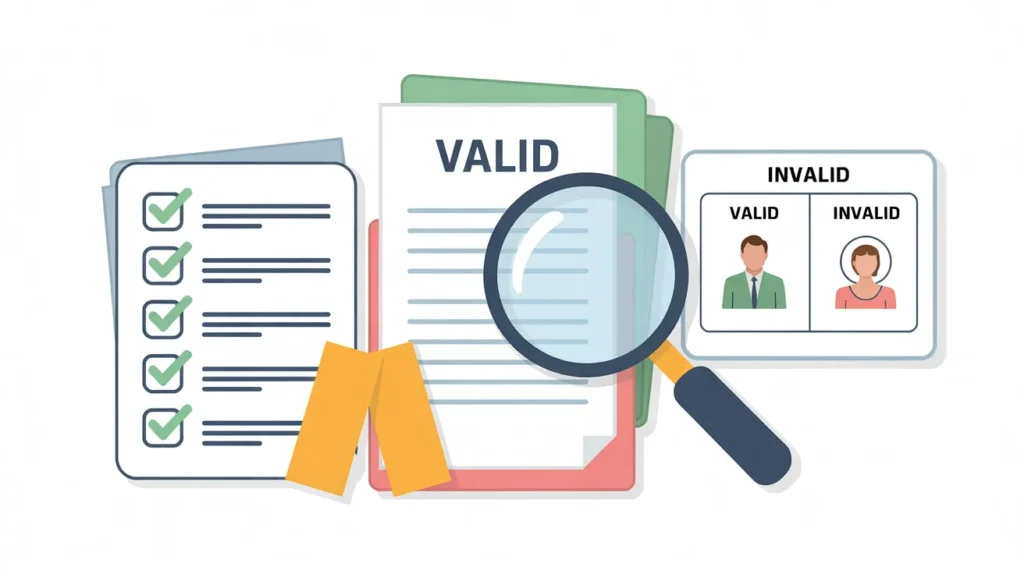
Here’s a practical checklist you can use almost anywhere.
Step-by-Step Validity Check
- ✅ Who issued it?
- ✅ Does it meet current rules?
- ✅ Is it still active or unexpired?
- ✅ Can it be verified independently?
If you answer “no” to any key question, validity may be compromised.
Why Validity Matters More Than You Think
Validity protects:
- Safety – like approved medications
- Trust – in systems and relationships
- Fairness – in decisions and outcomes
Invalid information spreads confusion the same way untreated illness spreads disease.
Common Misunderstandings About “Valid”
Let’s clear up a few myths.
Myth 1: Valid Means True
Not always. Something can be valid logically but based on false assumptions.
Myth 2: Valid Means Approved by Everyone
Validity doesn’t require universal agreement—only compliance with standards.
Myth 3: Feelings Being Valid Means Actions Are Okay
Feelings can be valid even when behavior needs correction.
Where “Valid” Can Be Found or Live
Although valid isn’t a creature, it “lives” in specific environments—just like animals thrive in certain habitats.
Common Environments Where Validity Exists
- Legal systems – courts, contracts, laws
- Education – exams, certifications, degrees
- Healthcare – diagnoses, prescriptions, test results
- Technology – databases, software, authentication systems
- Social spaces – conversations, emotions, opinions
Validity survives best in environments with clear rules, checks, and accountability.
How Validity Changes Over Time
Validity isn’t permanent.
Examples:
- A valid license can expire
- A valid rule can be replaced
- A valid method can become outdated
Just like vaccinations or treatment protocols, validity evolves with new information.
Practical Tips for Using the Word “Valid” Correctly
When Speaking or Writing
- Be clear about why something is valid
- Avoid using it as a vague approval stamp
- Specify the context (legal, emotional, logical)
When Evaluating Claims
- Ask what standard is being used
- Look for evidence
- Don’t confuse confidence with validity
Teaching Children the Meaning of “Valid”
A simple explanation:
“Valid means something works the way it’s supposed to.”
Use examples like:
- Keys that open doors
- Tickets that get you inside
- Rules that everyone follows
Valid vs Invalid: A Quick Comparison
| Valid | Invalid |
|---|---|
| Meets requirements | Missing criteria |
| Can be verified | Cannot be confirmed |
| Reliable | Untrustworthy |
| Accepted in context | Rejected or unusable |
Frequently Asked Questions (FAQ)
1. Does valid always mean correct?
No. Valid means it follows rules or standards. Something can be valid but still incorrect if the underlying information is wrong.
2. Are emotions always valid?
Emotions are real and deserve acknowledgment, but actions based on them still need responsibility.
3. Can something become invalid over time?
Yes. Expiration dates, rule changes, and new evidence can all affect validity.
4. What’s the opposite of valid?
Common opposites include invalid, void, unsound, or unacceptable, depending on context.
Final Thoughts
Understanding what “valid” means helps you make better decisions, communicate more clearly, and avoid costly mistakes. Like good veterinary care, validity relies on observation, standards, and regular reassessment.
When in doubt, pause and ask:
Valid according to what—and for whom?
That single question can save time, money, and confusion.