

A Complete, In-Depth Guide to Symbolism, Traits, Influence, and Practical Insights
The Year of the Dragon is one of the most powerful and fascinating concepts in Chinese astrology. Even people who know very little about zodiac traditions have usually heard that being born in a Dragon year is “special.” Dragons are associated with strength, luck, leadership, ambition, and transformation—qualities that have shaped cultural beliefs for thousands of years.
In this detailed guide, we’ll explore what the Year of the Dragon truly means, where it comes from, how it influences personality and life paths, and how people can practically apply its symbolism in daily life. Whether you’re curious about your birth year, planning major life events, or simply interested in astrology, this article will help you understand the Dragon’s role in a clear and grounded way.
Understanding the Chinese Zodiac System
Before exploring the Year of the Dragon specifically, it’s important to understand the Chinese zodiac framework it belongs to.
What Is the Chinese Zodiac?
The Chinese zodiac is a 12-year cycle, with each year represented by an animal:
- Rat
- Ox
- Tiger
- Rabbit
- Dragon
- Snake
- Horse
- Goat
- Monkey
- Rooster
- Dog
- Pig
Each animal is believed to influence the personality, destiny, and fortune of people born during its year.
How Zodiac Years Work
Unlike Western astrology, Chinese zodiac years:
- Follow the lunar calendar, not January 1
- Usually begin between late January and mid-February
- Repeat every 12 years
This means someone born in January might belong to the previous zodiac sign, depending on the lunar new year date.
What Does the Year of the Dragon Mean?
The Year of the Dragon symbolizes power, ambition, vitality, and transformation. In Chinese culture, the Dragon is not a monster—it is a sacred, celestial creature associated with wisdom, prosperity, and imperial authority.
Core Meanings of the Dragon Year
The Dragon year is commonly associated with:
- Strong leadership energy
- Bold action and ambition
- Innovation and big ideas
- Confidence and charisma
- Change and growth on a large scale
Dragon years are often seen as times of opportunity, when major movements, breakthroughs, and transformations can occur.
The Cultural Symbolism of Dragons
Dragons in Eastern vs. Western Culture
Understanding what the Year of the Dragon means requires recognizing how Eastern dragons differ from Western ones.
Eastern Dragons:
- Symbols of wisdom and luck
- Associated with water, rain, and fertility
- Seen as protectors and bringers of prosperity
Western Dragons:
- Often portrayed as dangerous or destructive
- Commonly defeated by heroes
- Represent chaos or greed
This difference explains why the Dragon year is considered so positive in Asian cultures.
Years of the Dragon (Recent and Upcoming)
Dragon years repeat every 12 years. Some notable Dragon years include:
- 1964 – Wood Dragon
- 1976 – Fire Dragon
- 1988 – Earth Dragon
- 2000 – Metal Dragon
- 2012 – Water Dragon
- 2024 – Wood Dragon
- 2036 – Fire Dragon
Each Dragon year is also influenced by one of the five Chinese elements, which slightly alters its energy.
The Five Types of Dragons and Their Meanings
Chinese astrology combines zodiac animals with five elements:
- Wood
- Fire
- Earth
- Metal
- Water
Each element appears once every 60 years with the Dragon sign.
Wood Dragon
Traits:
- Growth-oriented
- Creative and idealistic
- Cooperative and visionary
Visual cues:
- Symbolized by green tones, trees, expansion
Fire Dragon
Traits:
- Passionate and intense
- Highly charismatic
- Natural leaders
Visual cues:
- Red and gold colors
- Strong emotional energy
Earth Dragon
Traits:
- Grounded and reliable
- Practical visionaries
- Balanced ambition
Visual cues:
- Earth tones
- Stability and structure
Metal Dragon
Traits:
- Determined and disciplined
- Strategic thinkers
- Strong willpower
Visual cues:
- White, silver, sharp imagery
Water Dragon
Traits:
- Emotionally intelligent
- Adaptable and intuitive
- Diplomatic leaders
Visual cues:
- Blue and black colors
- Flow and movement
Personality Traits of People Born in the Year of the Dragon
People born in Dragon years are often described as dynamic, confident, and influential. While no personality description fits everyone perfectly, certain patterns are commonly associated with Dragon individuals.
Common Strengths
- Natural leadership ability
- Strong sense of purpose
- Courage and boldness
- High energy levels
- Charismatic presence
Common Challenges
- Impatience
- Overconfidence
- Difficulty accepting criticism
- High expectations of others
- Emotional intensity
Practical Advice for Dragon-Year Individuals
Just like a veterinary guide helps pet owners care better for animals, understanding Dragon energy can help individuals manage strengths and weaknesses more effectively.
Tips for Thriving as a Dragon
- Practice patience during setbacks
- Balance ambition with rest
- Develop listening skills
- Focus on long-term goals rather than immediate wins
Career Paths That Suit Dragons
Dragon individuals often thrive in careers involving:
- Leadership or management
- Entrepreneurship
- Politics or public service
- Creative industries
- Technology and innovation
What Does a Dragon Year Mean for Everyone?
Even if you weren’t born in a Dragon year, Dragon years themselves affect the collective energy.
Common Themes During Dragon Years
- Increased global ambition
- Major economic or technological shifts
- Cultural movements
- Breakthroughs and reforms
Historically, Dragon years often coincide with significant global events, innovations, or leadership changes.
Love and Relationships in the Year of the Dragon
Dragon Compatibility
Dragons are traditionally most compatible with:
- Rat
- Monkey
- Rooster
They may face challenges with:
- Dog
- Rabbit
Relationship Tips for Dragons
- Avoid dominating conversations
- Encourage emotional openness
- Practice compromise
Health and Wellness Symbolism of the Dragon
Although astrology is not medical advice, Dragon symbolism often connects to:
- High energy metabolism
- Strong physical vitality
- Risk of burnout if overworked
Wellness tips:
- Regular physical activity
- Mindfulness practices
- Balanced nutrition
Where Year of the Dragon Can Be Found or Live
Unlike physical creatures, the Year of the Dragon “exists” within cultural, spiritual, and social environments.
Places Where Dragon Symbolism Is Common
- China
- Taiwan
- Hong Kong
- Vietnam
- Korea
- Singapore
Common Environments
- Lunar New Year celebrations
- Temples and cultural festivals
- Zodiac art, jewelry, and décor
- Astrology charts and calendars
You may also find Dragon symbolism in:
- Feng shui designs
- Traditional clothing
- Modern branding and logos
Visual Cues Associated with the Year of the Dragon
Recognizing Dragon symbolism is easy once you know what to look for:
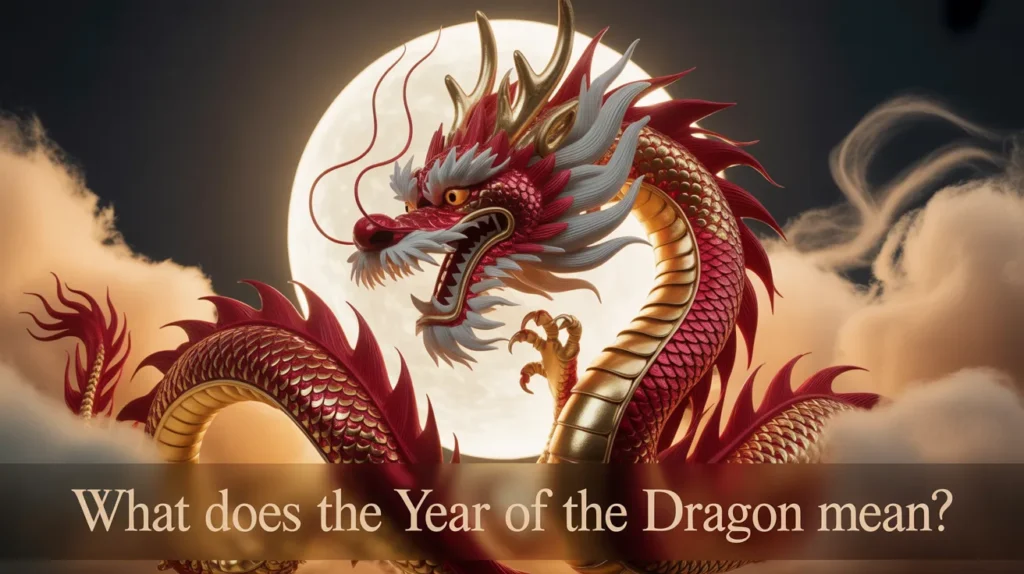
- Long, serpent-like body
- Horns and flowing whiskers
- Claws (often four or five)
- Clouds, water, or flames
- Gold, red, green, or blue colors
Common Myths About the Year of the Dragon
“Only Dragons Are Lucky”
While Dragon years are considered lucky, every zodiac sign has strengths.
“Dragon Years Guarantee Success”
Success still requires effort, planning, and balance.
“Dragon People Are Aggressive”
Most Dragons are passionate, not aggressive.
Frequently Asked Questions (FAQ)
1. Is the Year of the Dragon always lucky?
The Year of the Dragon is considered auspicious, but outcomes depend on individual actions, timing, and personal circumstances.
2. Why do people want Dragon-year babies?
Dragon children are traditionally believed to be:
- Strong leaders
- Intelligent and successful
- Naturally confident
3. How often does the Year of the Dragon occur?
Every 12 years, following the Chinese lunar calendar.
Final Thoughts
The Year of the Dragon represents power, transformation, and bold opportunity. Whether you were born in a Dragon year or are simply living through one, its symbolism encourages courage, vision, and purposeful action.
By understanding its deeper meaning, you can work with its energy rather than against it—turning ambition into growth and confidence into wisdom.